
What is Custom Alloy Pipe? Unlocking Its Potential

Jan 26, 2026
Understanding Custom Alloy Pipe: The Foundation of High-Performance Systems
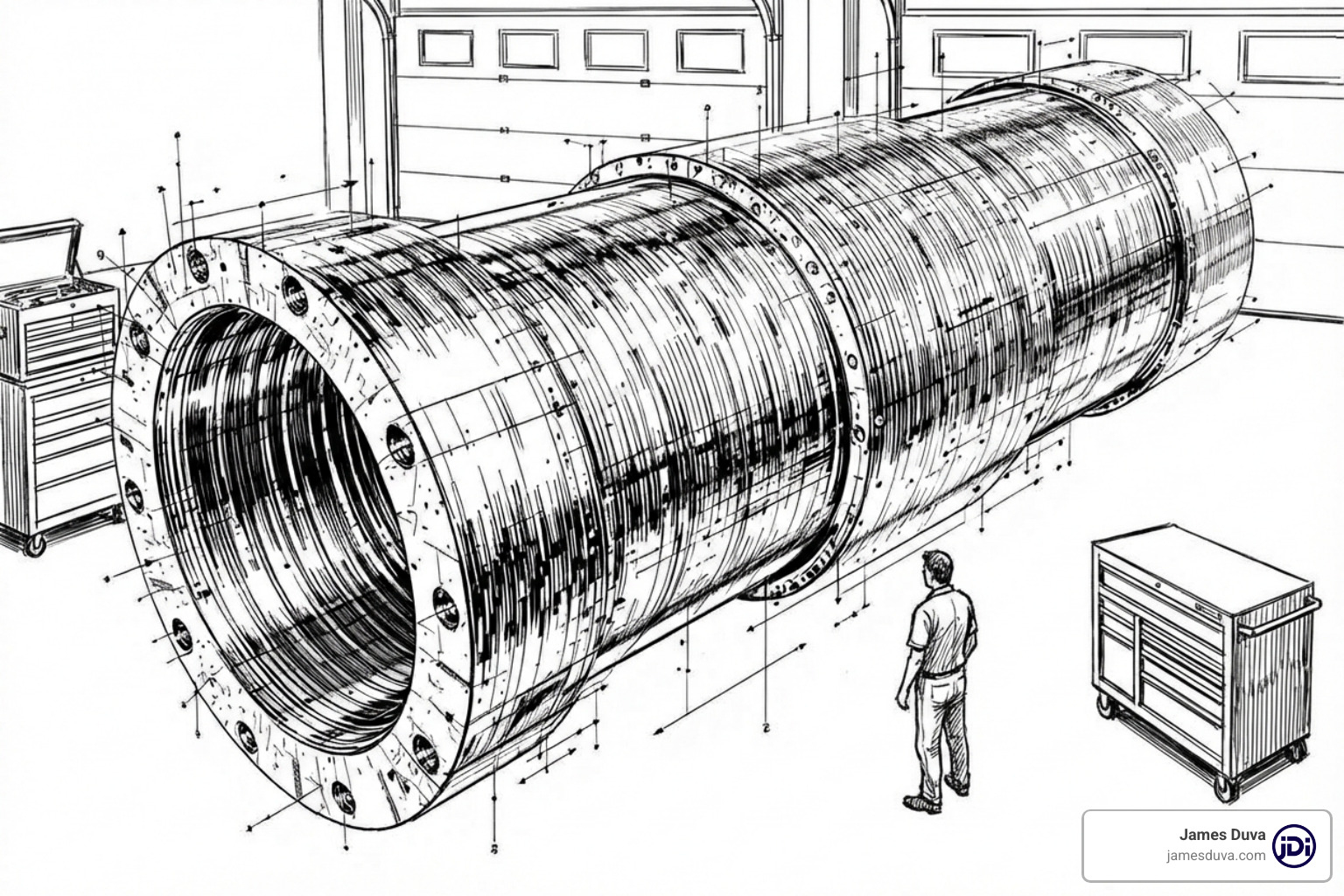
Custom alloy pipe is specialized piping engineered with specific metal compositions, dimensions, and properties to meet demanding industrial requirements that standard off-the-shelf pipes cannot fulfill. Unlike conventional steel or plastic piping, custom alloy pipes are manufactured from carefully selected materials—such as nickel alloys, chrome moly steel, or copper alloys and custom to precise specifications for diameter, wall thickness, length, and performance characteristics.
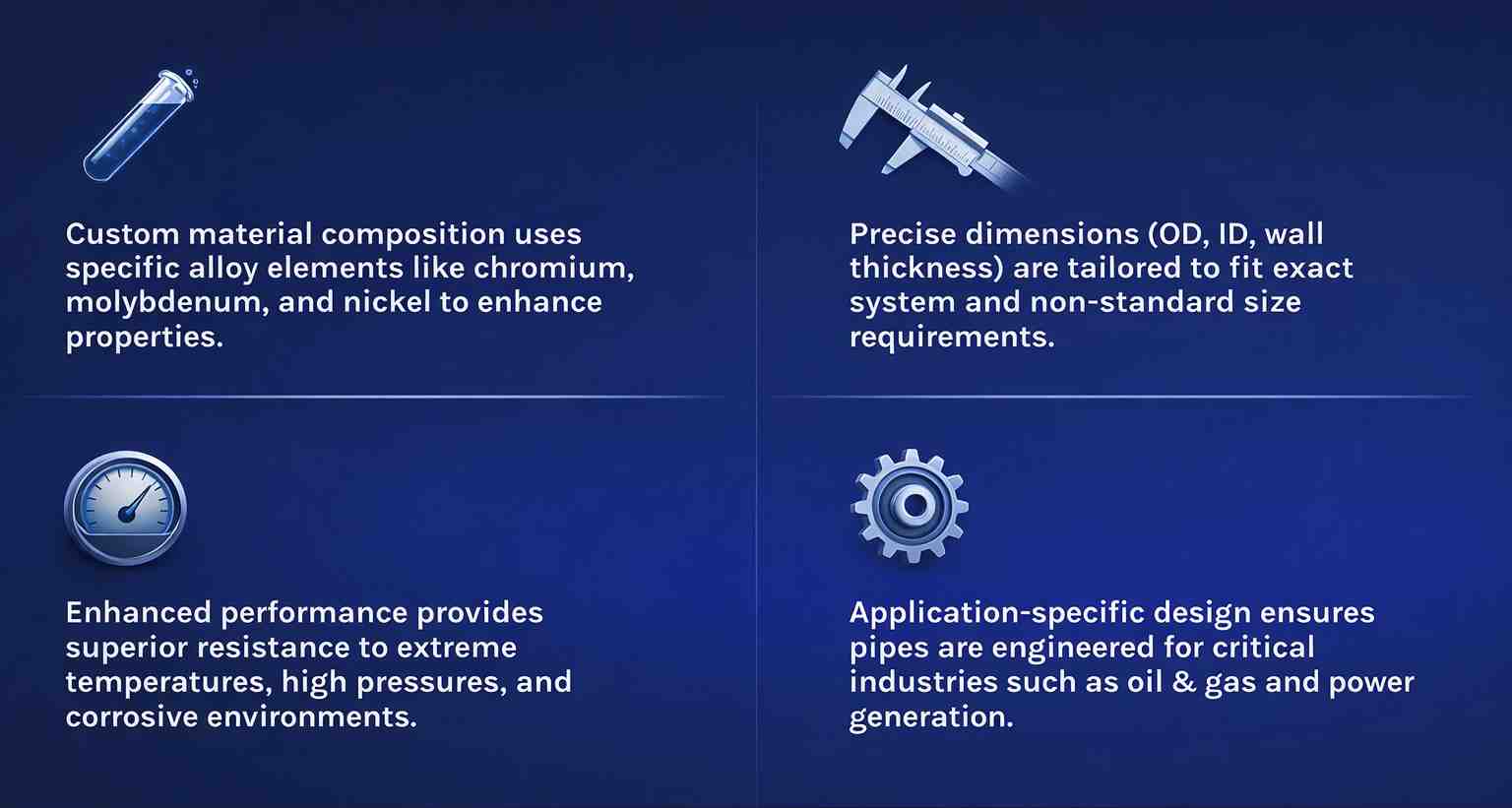
Key Characteristics of Custom Alloy Pipe:
- Custom Material Composition – Selected alloy elements (chromium, molybdenum, nickel, copper) improve specific properties like corrosion resistance and high-temperature strength
- Precise Dimensions – Custom outer diameter (OD), inner diameter (ID), and wall thickness to fit exact system requirements, including non-standard sizes
- Improved Performance – Superior resistance to extreme temperatures, high pressures, and corrosive environments
- Application-Specific Design – Engineered for critical industries like oil and gas, power generation, chemical processing, and aerospace
When your facility operates under extreme conditions, high temperatures exceeding 1000°F, corrosive chemicals, or pressures that would compromise standard materials, custom alloy pipe becomes essential. The difference lies in precision engineering: while standard pipes follow generic industrial schedules, custom solutions account for your specific operational demands, from the exact chemical resistance needed for sulfuric acid transport to the creep strength required for supercritical boiler applications.
I’m Billy Walker, Vice President of James Duva Inc., where we’ve specialized in supplying high-grade stainless steel and nickel alloy industrial products to power, process, and water treatment industries since 1978. Throughout my career at James Duva, I’ve helped engineers and contractors source custom alloy pipe solutions that meet exacting specifications while maintaining reliable delivery schedules.
If you are comparing options for your next project, you can also explore how we support key sectors on our industries page and learn more about our company history and capabilities on our about page.
Learn more about our custom alloy pipe solutions
The Anatomy of a Custom Alloy Pipe: Materials and Properties
When we talk about custom alloy pipe, we’re diving deep into the fascinating world of metallurgy, where specific elements are combined to create materials with extraordinary capabilities. The choice of alloy directly dictates the pipe’s performance, making material selection a cornerstone of custom fabrication.
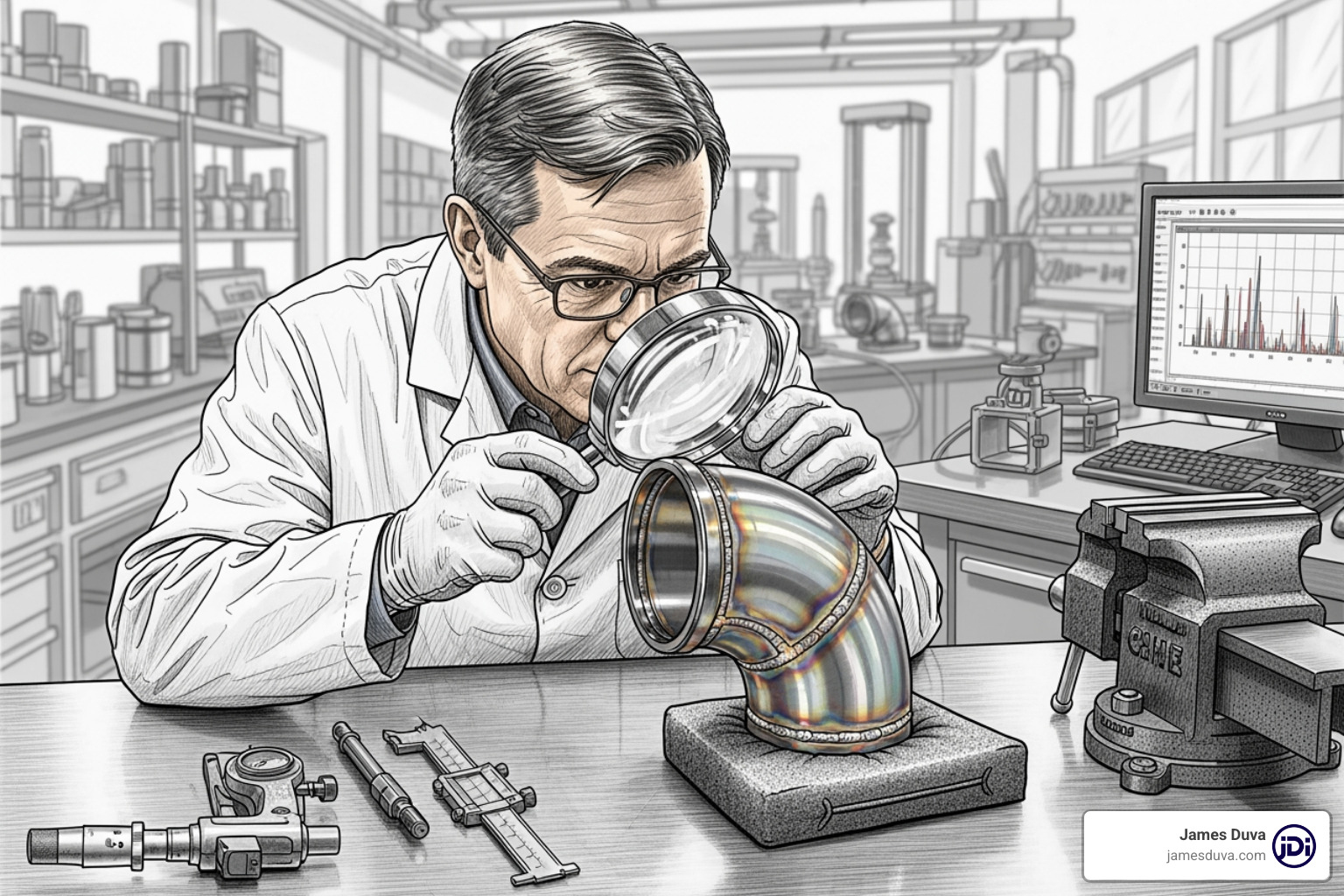
The material composition of a custom alloy pipe is carefully designed to achieve precise mechanical, chemical, and performance characteristics. This is where standard pipes, typically made from basic carbon steel or PVC, simply can’t compete. We’re looking for improved conductivity, superior strength, and exceptional resistance to extreme conditions.
Common Alloys for Custom Fabrication
At James Duva, we understand that every project has unique demands. That’s why we offer a diverse range of alloys, each bringing a distinct set of properties to the table. Our expertise since 1978 allows us to guide you through selecting the ideal material for your specific application.
-
Nickel Alloys: These are powerhouses in environments demanding high resistance to corrosion, heat, pressure, and warping. Nickel alloys, such as Inconel, Monel, and Hastelloy, are often the first choice for applications involving various acids (like sulfuric, hydrochloric, and phosphoric acid) and alkaline solutions. Their robust nature makes them invaluable in chemical processing, oil & gas, and aerospace industries. We specialize in these high-performance materials and maintain an extensive nickel alloy pipe inventory to support demanding projects.
-
Chrome Moly Alloys: Named for their chromium (Cr) and molybdenum (Mo) content, these alloys significantly improve carbon steel’s strength and wear characteristics. Chromium boosts resistance to corrosion and oxidation, while increasing strength at high temperatures. Molybdenum, on the other hand, improves tensile and creep strength at liftd temperatures, reduces brittleness, and improves hardenability. Common P-Grades like P11, P22, and P91 are staples in power generation and petrochemical plants, where high-temperature service is critical. You can see typical Chrome Moly applications on our power generation sector page.
-
Copper Alloys: While perhaps less common for heavy industrial piping compared to nickel or chrome moly, specific copper, bronze, brass, or copper-nickel compositions are crucial when improved conductivity and resistance to extreme temperatures are paramount. These are often found in specialized heat exchange systems or marine applications.
-
Stainless Steel: Although stainless steel is often considered a “standard” alloy, its various grades can be customized for specific applications. High-grade stainless steel, particularly certain austenitic grades, can offer excellent corrosion resistance and strength, and we provide these for projects that require a balance of performance and cost-effectiveness. Our stainless steel products are widely used in water treatment, food processing, and general industrial service.
Explore our range of industrial pipes
| Alloy Type | Temperature Range | Corrosion Resistance | Strength |
|---|---|---|---|
| Nickel Alloys | Excellent (up to 2000°F+) | Superior (acids, alkalis) | Very High (tensile, creep, high temp) |
| Chrome Moly | Very Good (up to 1200°F+) | Good (oxidation, some acids) | High (tensile, creep, hardenability) |
| Copper Alloys | Good (up to 400°F+) | Good (seawater, some chemicals) | Moderate (improved conductivity) |
Key Properties Custom to Your Needs
The true beauty of custom alloy pipe lies in its ability to be precisely engineered for specific environmental challenges. We don’t just supply pipe; we supply solutions custom to your operational reality.
- High-Temperature Resistance: When processes involve extreme heat, standard pipes can quickly degrade, leading to costly failures. Our custom alloys are designed for high-temperature service, offering excellent creep strength—the ability to resist deformation under prolonged stress at liftd temperatures. This is vital in power generation and high-temperature chemical reactions.
- Corrosion & Oxidation Resistance: Many industrial applications expose pipes to aggressive substances. Nickel alloys, for instance, are renowned for their resistance to a vast array of corrosive media, from strong acids to alkaline solutions, and even seawater. Chrome Moly alloys excel in resisting oxidation, crucial for systems operating at high temperatures. This means a longer lifespan and safer operation for your critical infrastructure.
- Strength & Durability: Alloy tubing has superior tensile strength and toughness. It also provides a high strength-to-weight ratio, meaning you get robust performance without unnecessary bulk. This improved toughness reduces the likelihood of failure under extreme conditions and provides improved impact resistance, ensuring the pipe can withstand the rigors of industrial use.
If you need help matching these properties to your specific service conditions, our team can assist—start by reaching out through our contact page.
The Strategic Advantage: Why Choose Custom Over Standard?
Choosing custom alloy pipe isn’t just about meeting a specification; it’s about gaining a strategic advantage. It’s an investment in the longevity, efficiency, and safety of your operations. While off-the-shelf options might seem appealing due to immediate availability or lower upfront costs, they often fall short in demanding applications, leading to compromises in performance or costly failures down the line.
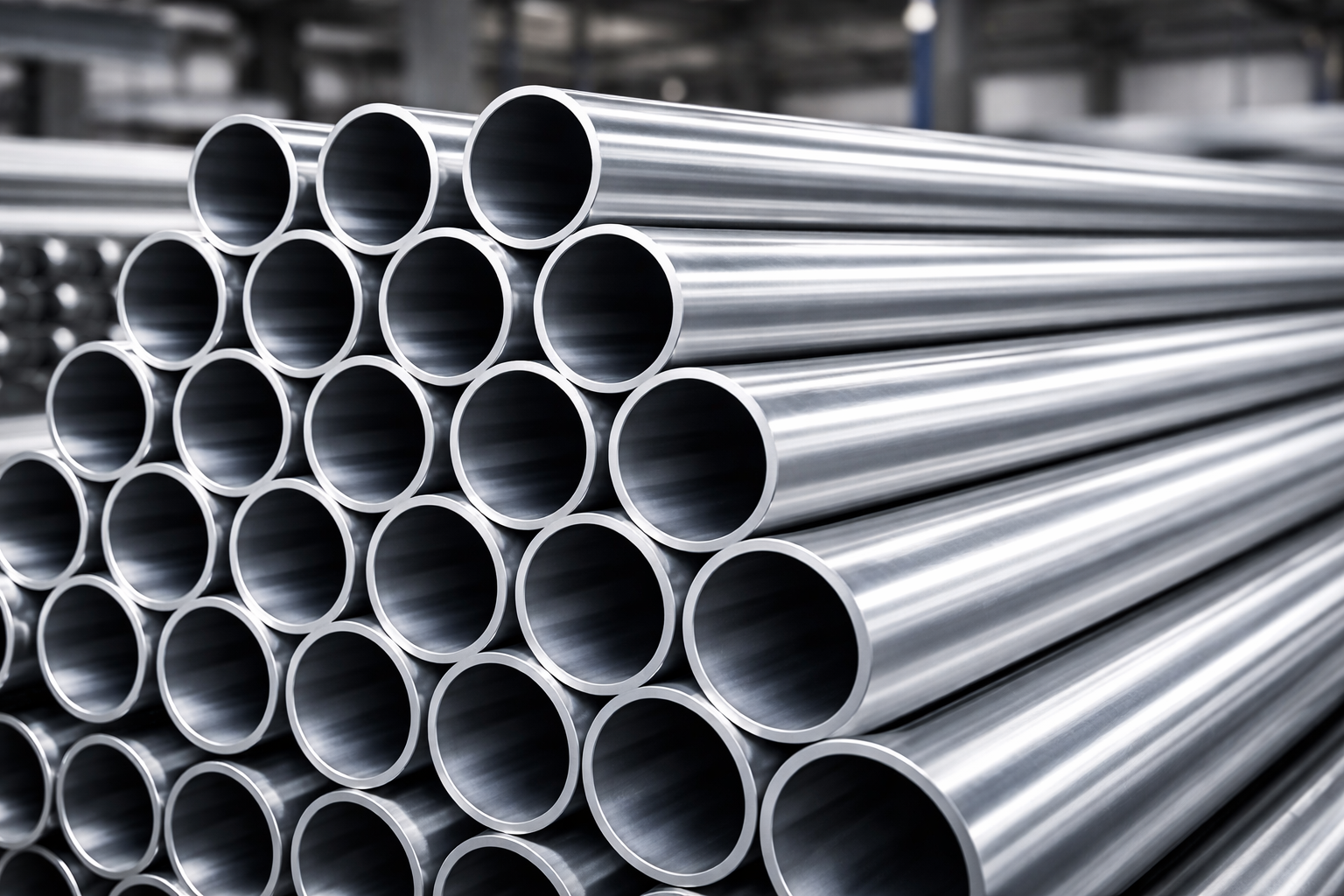
The performance benefits, long-term value, and safety improvements offered by custom alloy pipe are unparalleled. We understand that your systems operate under unique conditions that often exceed the capabilities of generic materials, which is why many clients work with us as a long-term one-stop alloy supplier.
Discover the benefits of custom alloy pipes
Best Performance in Extreme Environments
Imagine a pipe system designed not just to withstand, but to thrive in the harshest conditions. That’s the promise of custom alloy pipe.
- Specific Temperature Design: Whether your process demands cryogenic temperatures or scorching heat exceeding 1000°F, we can provide alloys engineered for that exact range. This isn’t just about survival; it’s about maintaining optimal mechanical properties and structural integrity throughout the operational envelope.
- Specific Pressure Design: High-pressure systems require materials that can handle immense internal forces without compromise. Our custom solutions ensure the pipe’s wall thickness, material grade, and manufacturing process are perfectly matched to your pressure requirements, preventing dangerous ruptures and ensuring system reliability.
- Corrosive Environment Design: From highly acidic chemical streams to saline environments in marine applications, corrosion is a relentless enemy. We select alloys with precisely the right resistance to your specific corrosive agents, extending the lifespan of your pipes and preventing leaks that could lead to environmental hazards or production downtime.
This level of precision engineering means exact dimensions (OD, ID, wall thickness) are not just a preference, but a necessity. We provide non-standard sizes and custom lengths, eliminating the need for costly and time-consuming modifications on-site. This custom approach ensures a perfect fit and optimal performance from day one. You can see examples of how this is applied in real projects on our industries page.
Learn more about our custom piping solutions for challenging environments
Long-Term Value and Reliability
The initial investment in custom alloy pipe might be higher than standard alternatives, but the long-term savings and peace of mind are substantial.
- Reduced Maintenance: Pipes designed for specific conditions are less prone to wear, corrosion, and fatigue, significantly reducing the frequency and cost of repairs and replacements.
- Extended Operational Lifespan: By withstanding extreme conditions more effectively, custom pipes last longer, minimizing downtime and maximizing productivity.
- Improved System Safety: Failures in critical piping systems can have catastrophic consequences. Custom alloys, engineered for specific demands, offer a higher degree of reliability, enhancing overall plant safety.
- Lower Total Cost of Ownership: When you factor in reduced maintenance, fewer replacements, minimized downtime, and improved safety, the total cost of owning a custom alloy pipe system is often lower than that of a standard system that requires constant attention.
- Optimized Performance: A pipe that perfectly matches its environment allows your entire system to operate at peak efficiency, contributing to better output and energy savings.
To explore how these benefits translate into specific markets—such as chemical processing, oil & gas, and power generation—visit our industries served overview.
See how custom alloy pipes can improve your operations
Industries and Applications Driving Demand for Custom Alloy Pipe
The need for custom alloy pipe arises wherever processes push the boundaries of material capabilities. These are often critical industrial sectors where failure is not an option, and demanding operational requirements necessitate materials that perform flawlessly under high-stress applications.
High-Stakes Industrial Applications
At James Duva, we’ve been serving these vital industries since 1978, providing the high-grade materials they depend on.
- Oil & Gas: This industry is a prime example where custom alloy pipe is indispensable. From drilling equipment operating in harsh subsurface environments to high-pressure transport pipelines carrying hydrocarbons across vast distances, and the complex networks within refineries, alloy steel pipes are crucial. They withstand extreme pressures, corrosive crude oil, and high temperatures, ensuring safe and efficient extraction, processing, and delivery. Learn more about our involvement with this sector on our oil & gas overview.
- Power Generation: Whether it’s a conventional power plant, nuclear facility, or advanced supercritical boiler, the generation of electricity involves immense heat and pressure. High-pressure steam lines, heat exchangers, and reactor components rely on alloys like Chrome Moly (P11, P22, P91) and nickel alloys for their high-temperature strength and creep resistance. Our solutions contribute to the reliable operation of these energy-producing giants and are detailed across our industrial pipe products.
- Chemical & Petrochemical Processing: In facilities handling a vast array of corrosive chemicals, custom alloy pipe is essential for safe and efficient transport and reaction containment. Reactors, distillation columns, and transfer lines often require nickel alloys or specialized stainless steels that can resist specific acids, alkalis, and other aggressive compounds, preventing leaks and ensuring product purity.
See how our custom alloy pipes serve critical industries
Specialized and Emerging Sectors
Beyond the traditional heavy industries, specialized and emerging sectors also find immense value in the custom solutions offered by custom alloy pipe.
- Aerospace: In aerospace, every ounce matters, and every component must perform under extreme conditions. High strength-to-weight ratio components, such as engine parts and hydraulic lines, benefit from custom alloy tubing like 4130 Chromium-Molybdenum. These materials provide the necessary strength and fatigue resistance without adding excessive weight, contributing to fuel efficiency and safety.
- Marine & Shipbuilding: The relentless corrosive power of seawater demands specialized materials. Copper-nickel alloys and certain nickel alloys are frequently used for piping systems on ships and offshore platforms due to their excellent seawater corrosion resistance, biofouling resistance, and durability.
- General Fabrication & Machining: Many general engineering and manufacturing applications also require custom alloys. For instance, hydraulic cylinders, shafts, and other machinery components often use alloy tubing like 4140 for its superior tensile strength, toughness, and machinability, allowing for precise fabrication of critical parts.
For a broader view of how we support these and other markets from our Branchburg, NJ base, visit our industries and about pages.
Contact us for specialized alloy pipe solutions
The Custom Alloy Pipe Journey: From Design to Delivery
Starting on a project that requires custom alloy pipe is a collaborative journey. It involves meticulous planning, precise manufacturing, and rigorous quality control to ensure the final product not only meets but exceeds your expectations. At James Duva, we pride ourselves on guiding our clients through every step, leveraging our decades of expertise.
Discover our custom alloy pipe capabilities
The Ordering and Design Process
Our process begins with a deep understanding of your needs. We don’t just take an order; we engage in a partnership.
- Consultation: We start with a detailed discussion about your project. What are the operating conditions (temperature, pressure, media)? What are the environmental factors (corrosion, abrasion)? What are the specific performance requirements? Our experts assist with material selection, machining requirements, and compliance documentation to help you specify the correct alloy pipe for your project.
- Specification Review: We carefully review your blueprints and specifications. This includes understanding desired dimensions (OD, ID, wall thickness), non-standard sizes, custom lengths, and any required end finishes (e.g., beveled for welding, threaded).
- Material Selection: Based on the consultation, we recommend the most suitable alloy. This involves considering the properties of various nickel alloys, chrome moly grades, and other specialized materials to match performance with cost-effectiveness. For example, for general corrosive service, we might look at nickel-iron-chromium-molybdenum-copper alloys like UNS N08825, which are detailed in standards like ASTM B423. Our familiarity with relevant ASTM specifications helps ensure compliance with industry norms while staying aligned with your project requirements.
- Design Considerations: Beyond material, we discuss critical design factors. This includes tight tolerances, specific heat treatments, and crucial considerations like weldability. Can the alloy be easily welded, brazed, or soldered, depending on the grade? We provide technical support to ensure seamless integration into your system.
- Quoting: Once specifications are finalized, we provide a transparent quote detailing costs, including material, manufacturing, testing, and any special requirements.
- Lead Times: We discuss realistic lead times, understanding that custom fabrication requires careful planning. While standard items might ship quickly, custom orders involve specific production schedules. We strive for efficiency without compromising quality, with fast delivery for in-stock components and clear timelines for special orders.
For an overview of how this process supports different sectors, review the applications outlined on our industries page.
Consult our experts on pipe specifications
Manufacturing and Quality Assurance for your Custom Alloy Pipe
The journey continues into manufacturing, where precision and quality are paramount. Our commitment to excellence ensures that every custom alloy pipe meets the highest standards.
-
Manufacturing Methods:
- Seamless: Often preferred for high-pressure applications, seamless pipes are produced without welding, offering superior integrity. This can involve hot piercing for larger diameters or cold drawing for smaller, more precise tubes.
- Cold Drawn: This method produces pipes with excellent surface finish, close dimensional tolerances, and improved mechanical properties. Cold-drawn seamless alloy pipe is available in many grades and custom sizes.
- Hot Finished: For larger dimensions, hot finishing provides a cost-effective solution while maintaining robust mechanical properties.
- Welded: While seamless is often preferred, certain alloys and applications benefit from welded construction, particularly for larger diameters or specific shapes.
-
Quality Control: We adhere to stringent quality control measures at every stage.
- ASTM Standards: Our materials and processes comply with relevant ASTM standards, such as ASTM A335/ASME SA335 for seamless ferritic alloy-steel pipe for high-temperature service (Chrome Moly) or ASTM B423 for nickel-iron-chromium-molybdenum-copper alloy seamless pipe and tube. These standards ensure consistent material properties and performance.
- Hydrostatic Testing: Each pipe or tube is subjected to either a hydrostatic test or a nondestructive electric test to verify its integrity and pressure-holding capability.
- Nondestructive Testing (NDT): Techniques like ultrasonic testing or eddy current testing are employed to detect any internal flaws without damaging the material.
- Certifications & Documentation: We provide comprehensive Material Test Reports (MTRs) and certifications, ensuring full traceability and compliance with all specified requirements. Our products are 100% melted and manufactured in the USA, reinforcing our commitment to quality.
To learn more about our commitment to quality and service from our Branchburg, NJ facility, visit our about page.
Learn about our quality assurance process
Frequently Asked Questions about Custom Alloy Pipes
We often hear similar questions from engineers and project managers exploring custom alloy pipe. Here are some of the most common inquiries we address:
How are custom alloy pipes different from standard steel or plastic pipes?
The primary difference lies in their composition and improved performance characteristics. Unlike standard steel or plastic piping, custom alloy pipes are made with specific compositions of elements like nickel, chromium, molybdenum, copper, and others. These elements are chosen to improve conductivity, improve resistance to extreme temperatures, and provide superior corrosion resistance. For example, nickel alloys offer high resistances to corrosion, heat, pressure, and warping, which standard pipes cannot match. This makes custom alloy pipes better suited for specialized, high-performance systems where standard materials would fail. You can see how this translates into real-world use cases by browsing the sectors on our industries page.
Can custom alloy pipes be welded or joined easily?
Yes, most custom alloy pipe materials can be welded, brazed, or soldered, but the ease and method depend heavily on the specific alloy and grade. For instance, some nickel alloys are easily weldable, while others require specialized procedures and filler metals. Chrome Moly pipes, such as those conforming to ASTM A335, are designed to be suitable for fusion welding. Our technical team provides support for selecting the right pipe alloy, ensuring it is compatible with your intended joining methods and that the proper procedures are followed to maintain the material’s integrity and performance. When you request a quote through our contact page, we can also help align material choice with your fabrication practices.
Why partner with a specialist for your custom alloy pipe needs?
Working with a specialized custom alloy pipe manufacturer like James Duva offers several distinct advantages. We bring decades of expertise to the table, providing invaluable guidance on material selection, ensuring you choose the optimal alloy for your specific application. We have access to hard-to-find alloys and can provide custom dimensions and specifications that general suppliers cannot. Our rigorous quality assurance processes, including adherence to ASTM standards and comprehensive MTRs, guarantee that your pipes meet exact client requirements. Furthermore, our reliable supply chain and technical support ensure your project stays on track, minimizing risks and maximizing efficiency. We don’t just sell pipes; we provide comprehensive solutions and peace of mind.
To learn more about our history, capabilities, and the industries we serve from our Branchburg, NJ location, visit our about and industries pages.
Why choose James Duva for your custom alloy pipe needs?
Conclusion
In an industrial landscape where extreme conditions are the norm, custom alloy pipe stands out as an indispensable solution. It offers unparalleled precision, superior performance, and unwavering reliability, making it the backbone of critical applications across diverse sectors. From the blistering heat of power generation to the corrosive depths of chemical processing and the rigorous demands of oil and gas, custom alloys are engineered to perform where standard materials simply cannot.
At James Duva Inc., we understand the intricacies of these demanding environments. With expertise since 1978, we have established ourselves as a trusted supplier of high-grade stainless steel and nickel alloy industrial products from our Branchburg, NJ location. Our commitment to quality, combined with our deep understanding of metallurgy and application-specific needs, ensures that we deliver not just pipe, but carefully crafted solutions that improve safety, improve efficiency, and extend the lifespan of your critical infrastructure.
If you are evaluating options for your next project, you can review the sectors we support on our industries page and learn more about our history and capabilities on our about page. These resources provide additional context for how our custom alloy pipe offerings fit into complex systems.
When your project demands more than off-the-shelf solutions, when precision and performance are paramount, trust us to provide the custom alloy pipe that open ups your system’s full potential.
About James Duva Inc.
Since 1978, James Duva Inc. has been your trusted source for stainless steel and high-nickel alloy industrial products. Whether you’re in the water treatment, process or power industry, we pride ourselves on always having what you need. Say goodbye to your sourcing problems with just one call to James Duva.