
Blog
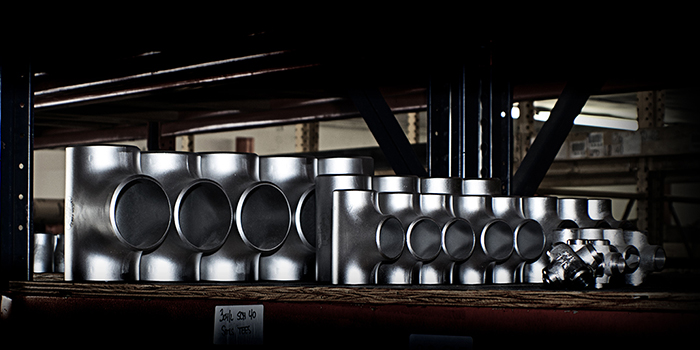
When to Choose Nickel Alloys Over Stainless Steel in Industrial Applications
In the world of industrial manufacturing, choosing the right material is crucial for ensuring durability, efficiency, and cost-effectiveness. Two of the most commonly used materials are nickel alloys and stainless steel. While both have their merits, understanding when to use nickel alloys can optimize your industrial processes. Understanding Nickel Alloys and Stainless Steel Nickel alloys…
Read More 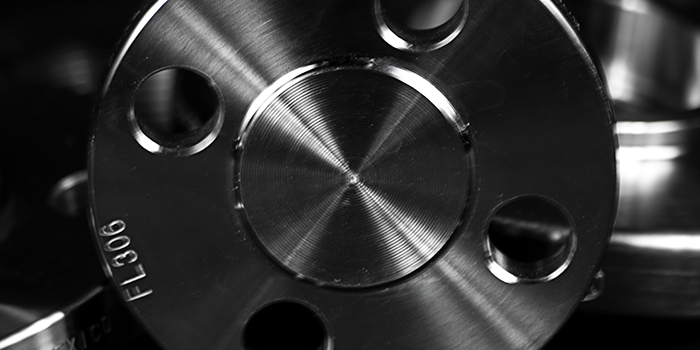
Selecting the Right Duplex Stainless Steel: 2205 or 2507?
In the world of industrial applications, choosing the right material is crucial. Two popular choices in the realm of stainless steels are duplex 2205 and super duplex 2507. Understanding the differences between these can help you make an informed decision for your specific needs. Understanding Duplex Stainless Steels Duplex stainless steels, like duplex 2205 and…
Read More 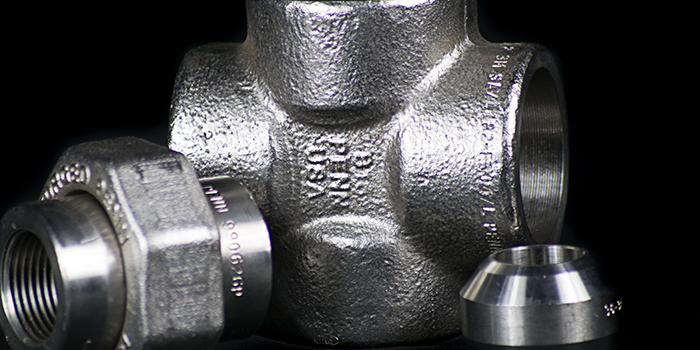
How a Plumbing Bushing Prevents Leaks and Maintains Water Pressure
Plumbing bushings are small, yet vital components in any plumbing system. They not only prevent leaks but also play a crucial role in maintaining water pressure. Understanding how these components function can save homeowners from costly repairs and ensure the efficiency of their plumbing systems. What is a Plumbing Bushing? A plumbing bushing, often referred…
Read More 
Sanitary Tri Clamp Fittings in Food & Beverage Industry Use Cases
In the fast-paced world of the food and beverage industry, maintaining high standards of sanitation and efficiency is crucial. One of the key components in achieving this is the use of sanitary tri clamp fittings. These fittings are indispensable in ensuring that the processing systems remain clean and contamination-free. What are Sanitary Tri Clamp Fittings?…
Read More 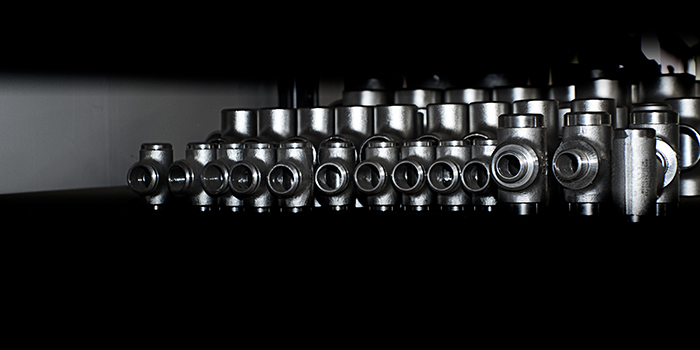
Is Hastelloy Better Than Inconel for Acid Environments?
When it comes to choosing the right material for acid environments, two names often stand out: Hastelloy and Inconel. Both are renowned for their exceptional resistance to corrosive conditions, but which one is truly better for acid environments? In this guide, we will explore the characteristics of Hastelloy and Inconel, compare their performance, and help…
Read More
How Incoloy 825 Composition Improves Performance in Oil, Gas, and Chemical Processing
In the competitive fields of oil, gas, and chemical processing, material selection plays a crucial role in ensuring efficient and safe operations. One standout material is Incoloy 825, known for its impressive composition and mechanical properties. This guide explores how Incoloy 825 composition enhances performance in these industries. Understanding Incoloy 825 Composition Incoloy 825 is…
Read More 
Weldolet vs Threadolet vs Sockolet: Choosing the Right Olet Fitting
When it comes to piping systems, selecting the correct olet fitting is crucial for ensuring a reliable and efficient connection. This guide will compare Weldolet, Threadolet, and Sockolet, helping you choose the right option for your needs. What Are Olet Fittings? Olet fittings, also known as branch connection fittings, are used to create outlets from…
Read More 
What Kind of Metal Is an Alloy? Common Types and Industrial Uses of Alloys
Alloys play a crucial role in various industries due to their enhanced properties. But what kind of metal is an alloy? In this guide, we’ll explore the common types of alloys and their industrial applications. Understanding Alloys An alloy is a blend of two or more metals, or a metal and a non-metal, designed to…
Read More
Duplex 2205 vs Super Duplex: Key Differences, Uses & Benefits
When it comes to stainless steel alloys, Duplex 2205 and Super Duplex are two terms often thrown around, especially in industries requiring high strength and corrosion resistance. Understanding the key differences between these materials is crucial for selecting the right one for your project. What is Duplex 2205? Duplex 2205 stainless steel is a nitrogen-enhanced…
Read More
Industrial Commodities: The Backbone of Modern Manufacturing
When most people think about commodities, they picture things like oil, gold, or wheat. But there’s another category just as vital to the global economy: industrial commodities. These raw or semi-processed materials are essential to manufacturing, construction, energy, and countless other industries. At James Duva Inc., we focus on the metals and alloys that help…
Read More