
Understanding the Vital Role of Industrial Valves in Fluid Control Systems
Oct 16, 2024
Industrial valves are essential components across industries, ensuring safe and efficient fluid flow control. They’re a crucial part of any system that manages liquids or gases, whether for manufacturing, energy production, pharmaceuticals, or chemical processing. In this article, we’ll explore different types of industrial valves, their functions, and how they optimize performance in complex systems.
What Are Industrial Valves?
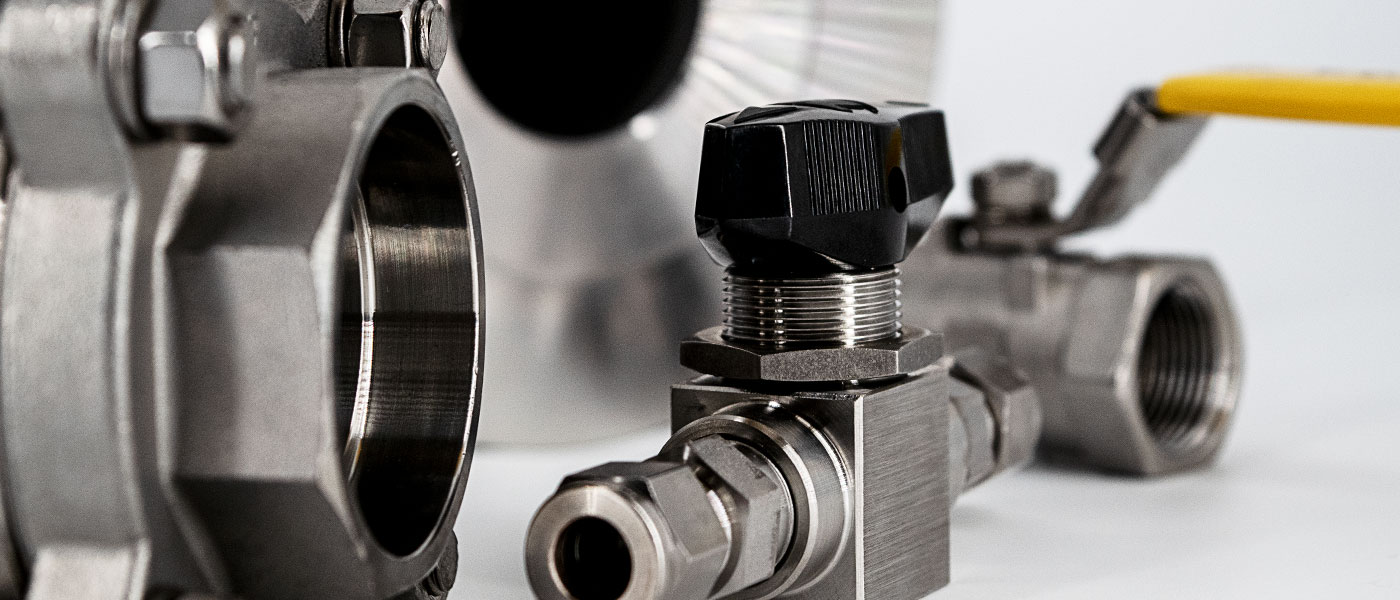
Industrial valves are devices that control the flow and pressure within a system. By opening, closing, or partially obstructing various passageways, valves play a key role in maintaining operational control, safety, and performance across industries. Whether used for on/off control, throttling, or pressure regulation, each valve type is designed to address specific needs in different applications.
Key Types of Industrial Valves
Industrial valves come in various designs, each suited to unique requirements. Here are some of the primary types:
- Ball Valves: These are highly popular for their durability and ability to offer a tight seal. Ball valves are often used in applications where on/off control is essential, as their spherical closure design makes them easy to operate and highly reliable.
- Butterfly Valves: Known for their lightweight and compact design, butterfly valves are perfect for applications where space is limited. These valves are widely used for flow regulation in industries such as water treatment and chemical processing.
- Gate Valves: Typically used in applications where a straight-line flow of fluid is necessary, gate valves function by raising or lowering a gate to start or stop fluid flow. They are ideal for systems that require full on/off flow control without throttling.
- Check Valves: These valves are designed to allow fluid to flow in one direction only, preventing backflow. Check valves are essential in systems where backflow could cause damage or contamination.
- Globe Valves: Known for their precision in throttling, globe valves are ideal for systems where accurate flow control is needed. They’re common in industries where pressure regulation is crucial, like oil and gas.
- Diaphragm Valves: Diaphragm valves offer excellent control for applications that involve corrosive fluids. Their design separates the valve body from the operating mechanism, which prevents any contact between the fluid and metal components.
- Pressure Relief Valves: Designed to release excess pressure, these valves protect equipment and pipelines from pressure spikes. They’re essential for safe operations, particularly in chemical and gas industries.
Each of these valves has unique features that make it ideal for specific applications, ensuring that fluid systems operate efficiently, safely, and in compliance with industry regulations.
Importance of Selecting the Right Valve
The performance and safety of fluid control systems largely depend on choosing the right type of valve. Selecting the correct valve type impacts several factors:
- Flow Control: Different valve types provide varying levels of flow control. For example, ball and butterfly valves offer simple on/off control, while globe valves provide precise flow modulation.
- System Safety: Valves like pressure relief and check valves protect systems from excess pressure and backflow, which can lead to catastrophic failures.
- Durability and Maintenance: High-quality valves are essential in systems that handle abrasive or corrosive materials. Valve choice can significantly affect maintenance costs and overall durability, with robust materials extending service life and reducing downtime.
- Environmental Impact: Efficient valve operations help minimize leaks and ensure safe handling of hazardous substances, contributing to a more sustainable environment.
Common Applications of Industrial Valves
Industrial valves are found in numerous industries, each with specific performance requirements. Here are some common applications:
- Water and Wastewater Treatment: In water treatment, valves manage the flow of water and chemicals, ensuring safe and efficient purification and distribution.
- Oil and Gas: The oil and gas sector relies heavily on valves to regulate pressure, flow, and temperature, particularly under extreme conditions.
- Chemical Processing: Chemical plants handle various substances that require precise control and safety measures. Valves with corrosion-resistant materials, like diaphragm valves, are essential here.
- Power Generation: Valves in power plants control the flow of steam, water, and other fluids under high pressures, optimizing the efficiency of turbines and generators.
- Food and Beverage: Sanitary valves, which prevent contamination, are vital in food and beverage processing to ensure hygiene and safety.
- Pharmaceuticals: In the pharmaceutical industry, valves control the flow of highly sensitive materials. Cleanliness and precision are top priorities, making hygienic and diaphragm valves essential.
Benefits of High-Quality Industrial Valves
- Enhanced Safety: By choosing the appropriate valve type, facilities can significantly reduce the risk of system malfunctions, leaks, and potential hazards.
- Increased Efficiency: Valves enable precise flow and pressure control, optimizing energy and material usage, which leads to cost savings and increased operational efficiency.
- Extended Equipment Life: High-quality valves help protect other system components from wear and tear, extending the lifespan of the entire system.
- Compliance with Regulations: Many industries have strict regulations regarding fluid control. High-quality valves meet these standards, ensuring compliance with industry requirements.
- Environmental Responsibility: Efficient and well-maintained valve systems minimize leaks and emissions, contributing to a reduced environmental footprint.
Final Thoughts
Industrial valves are indispensable to the safe and efficient operation of fluid control systems. From regulating flow and pressure to protecting systems from damage, valves play a critical role across various industries. With options like ball, gate, butterfly, and check valves, understanding each type’s capabilities is essential in choosing the best fit for a given application.
If you’re considering industrial valves for your fluid control needs, visit James Duva Inc. to explore a wide selection of high-quality valves suitable for diverse industrial applications. Their product range includes durable, efficient options designed to meet the demanding standards of today’s industries.
About James Duva Inc.
Since 1978, James Duva Inc. has been your trusted source for stainless steel and high-nickel alloy industrial products. Whether you’re in the water treatment, process or power industry, we pride ourselves on always having what you need. Say goodbye to your sourcing problems with just one call to James Duva.