
What Are Sanitary Fittings?
Sep 9, 2024
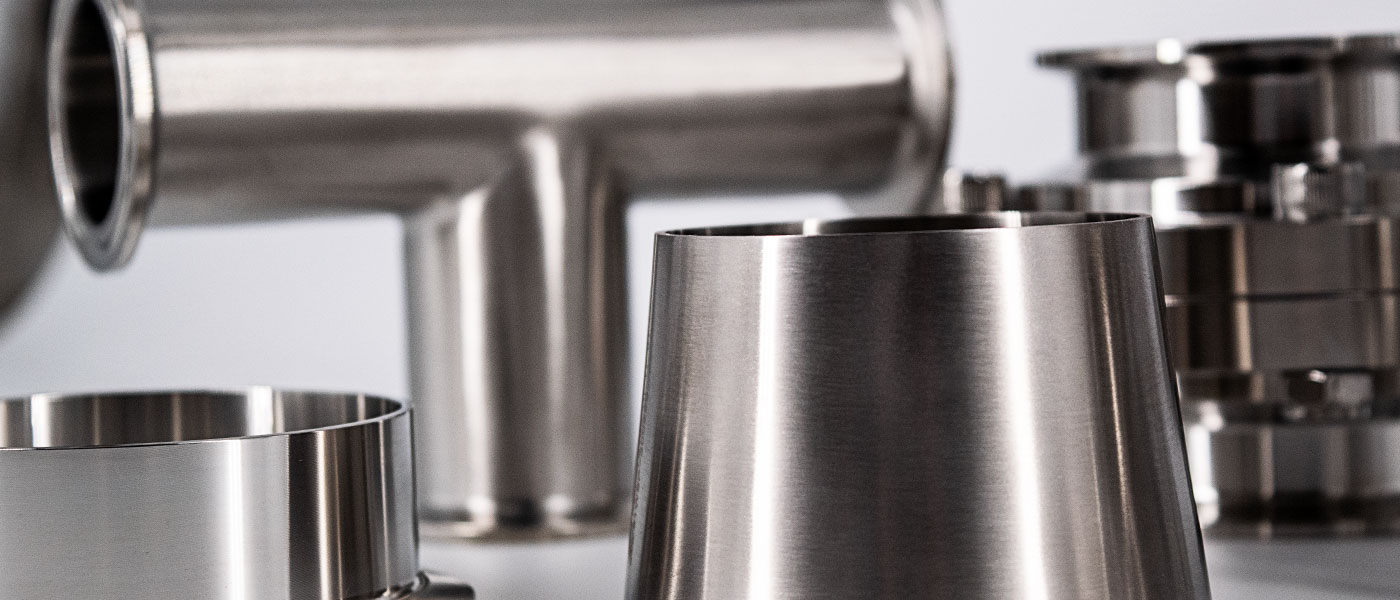
Sanitary fittings are essential components used in systems that handle fluids, particularly in industries where cleanliness and hygiene are critical, such as food processing, beverage production, dairy, and pharmaceuticals. These fittings ensure that there is no contamination, making them vital for maintaining both safety and quality.
Why Are Sanitary Fittings Important?
Sanitary fittings are specifically designed to be smooth, crevice-free, and easy to clean, preventing bacteria buildup and ensuring that fluids like water, chemicals, or food products remain uncontaminated. Their seamless design and high-grade materials help them meet stringent hygiene standards.
Types of Sanitary Fittings
- Sanitary Elbows: Used to change the direction of piping systems while maintaining flow efficiency and hygiene.
- Sanitary Tees: These allow for the distribution of fluids in multiple directions without contamination.
- Sanitary Clamps: Easy-to-assemble fittings that help connect pipes securely and are often used in applications that require frequent cleaning or maintenance.
- Sanitary Valves: Control the flow of fluids and are designed to prevent leaks or contamination.
- Sanitary Reducers: Used to connect pipes of different diameters while maintaining a smooth, uninterrupted flow.
Key Applications
- Food & Beverage: Ensuring that liquids like milk, beer, and juices remain uncontaminated during processing.
- Pharmaceuticals: Guaranteeing the sterile transfer of chemicals and solutions.
- Dairy Industry: Providing hygienic transfer of milk and dairy products to prevent bacterial growth.
- Biotechnology: Safely managing sensitive materials in sterile environments.
Material Choices for Sanitary Fittings
Sanitary fittings are typically made from stainless steel, particularly 304 or 316 grades, known for their corrosion resistance, durability, and ease of cleaning. This ensures long-term reliability, even in demanding environments where they may be exposed to harsh chemicals or high temperatures.
Choosing the Right Sanitary Fittings
When selecting sanitary fittings for your system, consider:
- Material compatibility: Choose the right material based on the fluids involved.
- Design and assembly: Opt for fittings that meet industry standards and are easy to clean and maintain.
- Size compatibility: Ensure proper sizing for seamless connections and flow.
Conclusion
Sanitary fittings are indispensable in industries that rely on clean, contamination-free systems. Choosing the right fittings not only ensures system efficiency but also maintains the safety and hygiene of the products being processed.
By focusing on proper maintenance and material choice, sanitary fittings can help prevent costly downtime and contamination risks, ensuring a clean and reliable process for your business. Contact us today for more information or a free quote.
About James Duva Inc.
Since 1978, James Duva Inc. has been your trusted source for stainless steel and high-nickel alloy industrial products. Whether you’re in the water treatment, process or power industry, we pride ourselves on always having what you need. Say goodbye to your sourcing problems with just one call to James Duva.