
Stainless Steel’s Critical Role in Nuclear Power Plants
Dec 17, 2014
Understanding the Role of Stainless Steel in Nuclear Reactors
Stainless steel plays a pivotal role in nuclear reactors due to its exceptional properties, including corrosion resistance and durability under extreme conditions. The material’s ability to withstand high temperatures and radiation makes it indispensable in nuclear applications. For instance, austenitic stainless steel is commonly utilized for its superior thermal conductivity and resilience. According to industry standards, stainless steel components are integral to ensuring reactor safety and efficiency. This is further explored in our guide to selecting stainless steel grades for critical applications. The alloy’s compatibility with other materials used in reactors, such as uranium and graphite, ensures a seamless integration and long-term performance. These attributes not only enhance operational safety but also reduce maintenance costs over time.
Key Components Made from Stainless Steel
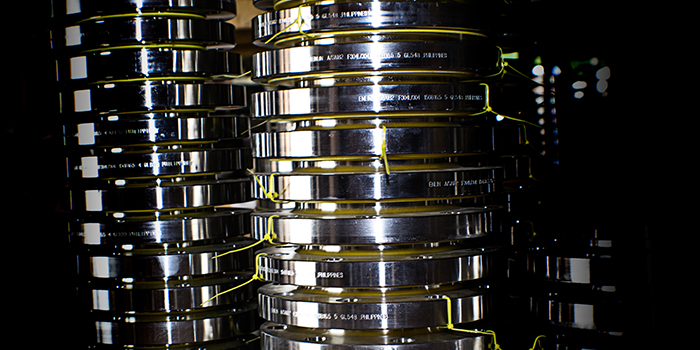
In nuclear power plants, several critical components are manufactured using stainless steel. These include pressure tubes, steam generators, and containment vessels. Pressure tubes, for instance, are designed to hold fuel and coolants, playing a crucial role in preventing reactor overheating. The use of stainless steel in steam generators is vital due to the material’s ability to effectively transfer heat while resisting corrosion. This ensures a steady production of steam, which is essential for turbine operation. Moreover, containment vessels made from stainless steel provide a robust barrier, protecting the reactor core from external intrusions. For more insights into industrial components, refer to our guide on industrial flanges. Such components are fundamental to the plant’s structural integrity and operational reliability.
Why Stainless Steel is Preferred Over Other Materials
The preference for stainless steel over other materials in nuclear power plants is largely due to its unparalleled properties. Compared to conventional steel, stainless steel offers enhanced resistance to pitting and crevice corrosion, particularly in chloride-rich environments. This is essential as reactors often operate in such demanding conditions. Additionally, the material’s toughness at low temperatures makes it suitable for use in various reactor components, from piping to fasteners. The decision to use stainless steel is also driven by its ability to maintain structural integrity under neutron bombardment, a common challenge in nuclear settings. Our article on custom alloy pipes further explains these benefits in detail. Ultimately, stainless steel’s reliability and long service life make it a cost-effective choice for nuclear power applications.
Innovations in Stainless Steel for Nuclear Applications
Recent innovations in stainless steel technology have further cemented its role in nuclear power plants. Advances in alloy composition and manufacturing techniques have led to the development of new grades with improved properties. For example, duplex stainless steels offer a unique combination of strength and corrosion resistance, making them suitable for more demanding applications within the reactor. Additionally, the introduction of super austenitic and ferritic grades has expanded the material’s application range. These innovations are part of a broader trend towards enhancing reactor efficiency and safety. Our comprehensive guide on super duplex 2507 provides more detailed insights into these advancements. As the industry continues to evolve, stainless steel remains at the forefront of material science in nuclear engineering.
Future of Stainless Steel in Nuclear Power
The future of stainless steel in nuclear power appears promising, driven by ongoing research and development efforts. As the demand for safer and more sustainable energy sources grows, the need for reliable materials like stainless steel becomes increasingly critical. Future advancements are expected to focus on enhancing the material’s performance under extreme conditions and developing new alloys that can withstand even higher levels of radiation and thermal stress. These efforts align with the industry’s goals to improve reactor efficiency and reduce environmental impact. A deeper understanding of alloy properties and applications will be essential in achieving these objectives. In conclusion, stainless steel’s role in nuclear power plants will continue to grow as innovations drive the industry forward.
FAQs
Why is stainless steel used in nuclear power plants?
Stainless steel is used for its corrosion resistance, durability under extreme conditions, and ability to withstand high temperatures and radiation.
What components in nuclear reactors are made from stainless steel?
Key components such as pressure tubes, steam generators, and containment vessels are commonly made from stainless steel.
What advancements have been made in stainless steel for nuclear applications?
Recent advancements include the development of new stainless steel grades with improved properties, such as duplex and super austenitic stainless steels.
How does stainless steel compare to other materials in nuclear applications?
Stainless steel offers superior corrosion resistance, strength, and long service life, making it more reliable than many other materials.
About James Duva Inc.
Since 1978, James Duva Inc. has been your trusted source for stainless steel and high-nickel alloy industrial products. Whether you’re in the water treatment, process or power industry, we pride ourselves on always having what you need. Say goodbye to your sourcing problems with just one call to James Duva.