
The Ultimate Guide to Sanitary Tube Fittings: Types, Applications, and Benefits
Nov 1, 2024
Introduction to Sanitary Tube Fittings
Sanitary tube fittings are a critical component in industries where hygiene and safety are paramount. These fittings are designed to ensure a leak-free and contamination-free environment, making them essential in sectors like food and beverage, pharmaceuticals, and biotechnology. Their construction from materials like stainless steel, known for their corrosion resistance, ensures they meet strict regulatory standards such as those set by the FDA. Understanding the role of sanitary fittings in your industry not only aids in maintaining compliance but also enhances operational efficiency by preventing contamination and ensuring product integrity.
Comprehensive Overview of Sanitary Tube Fittings
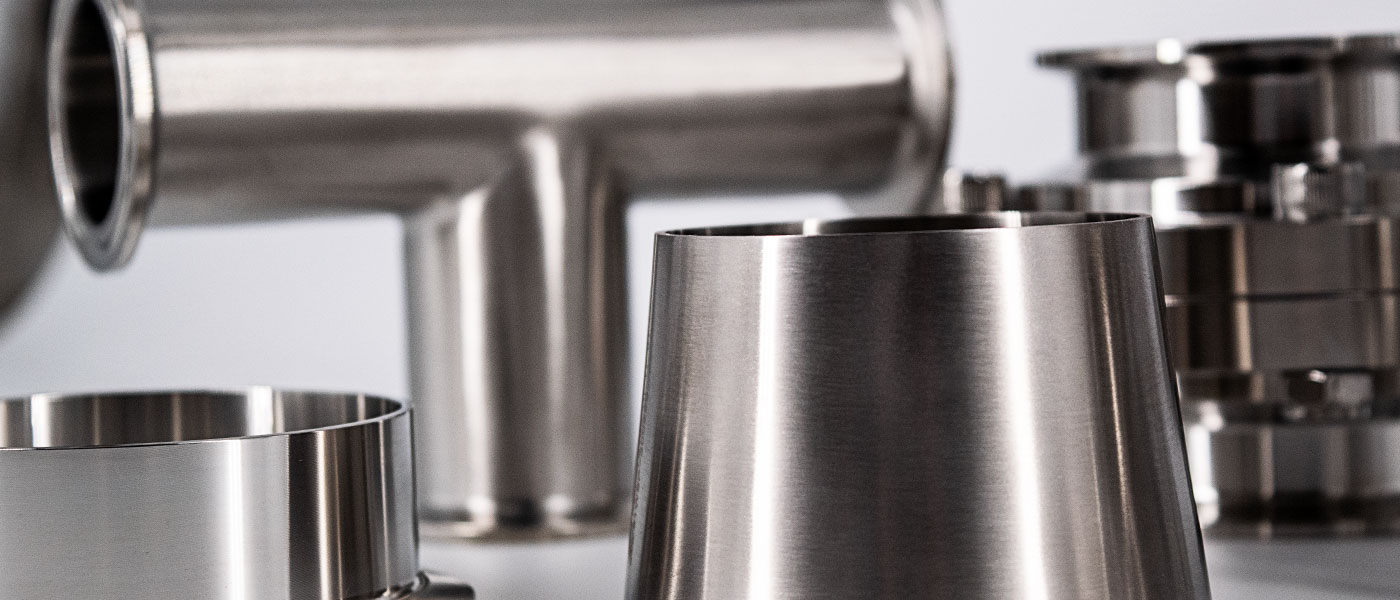
Sanitary tube fittings come in various forms, each serving distinct purposes. For instance, tri-clamp fittings offer ease of assembly and disassembly, which is ideal for systems requiring frequent cleaning. Meanwhile, weld fittings provide a permanent, crevice-free connection suitable for systems with less maintenance demands. Another option, compression fittings, enable quick assembly without specialized tools, offering a secure seal that prevents leaks. Choosing the appropriate fitting depends on your specific application needs and understanding the unique benefits each type provides can significantly impact operational success.
Types of Sanitary Tube Fittings
The selection of sanitary tube fittings involves evaluating the specific needs of your system. Common types include tri-clamp fittings, weld fittings, and compression fittings. Tri-clamp fittings are favored for their hygiene and ease of maintenance, making them prevalent in industries that prioritize cleanliness. Weld fittings, on the other hand, are known for their durability and are used in systems where maintenance is less frequent. Compression fittings offer versatility and a secure seal without the need for welding. Understanding these differences is crucial in selecting the right fitting type for your application, ensuring both compliance and efficiency. For a deeper understanding, consider reading about butt weld fittings and their applications.
Industries Benefiting from Sanitary Tube Fittings
Sanitary tube fittings play a vital role in industries that demand the highest standards of hygiene. In the food and beverage industry, these fittings ensure products are safe for consumption by maintaining a contaminant-free production environment. The pharmaceutical sector relies on these fittings to prevent contamination of medicines, ensuring patient safety. Biotechnology, another critical industry, uses sanitary fittings to maintain sterile conditions essential for research and development. Each of these industries benefits from the robust design and hygienic properties of sanitary tube fittings, which are integral to their operational success and compliance with health regulations.
Conclusion and Next Steps
In conclusion, understanding the types and applications of sanitary tube fittings is essential for industries where hygiene is critical. These fittings not only ensure compliance with stringent standards but also enhance operational efficiency and product safety. As you consider the next steps, evaluating your specific needs and selecting the appropriate fittings will be crucial. For more insights, check out our guide on purchasing fittings online, which provides practical tips for making informed decisions. By prioritizing the right sanitary fittings, you can ensure a clean, efficient, and safe production environment.
FAQs
Q1: What are sanitary tube fittings?
A: Sanitary tube fittings are connectors designed for systems requiring high standards of cleanliness, used in industries like food, pharmaceuticals, and biotechnology.
Q2: Why are tri-clamp fittings popular?
A: Tri-clamp fittings are popular because they allow for easy assembly and disassembly, which is crucial for systems needing frequent cleaning.
Q3: How do weld fittings benefit industrial systems?
A: Weld fittings provide a permanent, smooth connection that minimizes contamination risks, making them ideal for systems with less frequent maintenance needs.
Q4: Which industries use sanitary tube fittings?
A: Industries like food and beverage, pharmaceuticals, and biotechnology use sanitary tube fittings to ensure product safety and regulatory compliance.
About James Duva Inc.
Since 1978, James Duva Inc. has been your trusted source for stainless steel and high-nickel alloy industrial products. Whether you’re in the water treatment, process or power industry, we pride ourselves on always having what you need. Say goodbye to your sourcing problems with just one call to James Duva.