
A Comprehensive Guide to Industrial Metals Supplier USA
Jun 5, 2026
Why Finding the Right industrial metals supplier usa Can Make or Break Your Project
Finding a reliable industrial metals supplier USA is one of the most critical decisions for any buyer in chemical processing, oil and gas, or power generation. The wrong supplier means delays, non-conforming materials, and costly shutdowns.
Here is a quick overview of what to look for when sourcing industrial metals in the USA:
| What to Evaluate | Why It Matters |
|---|---|
| Alloy availability | Stainless, nickel alloys, duplex, titanium for critical service |
| Certifications | ISO 9001, MTRs, ASME/ASTM compliance |
| Lead times | Emergency and standard order fulfillment |
| Value-added services | Cutting, beveling, tagging, export packaging |
| Logistics support | Nationwide LTL, flatbed, expedited freight |
| Documentation | Heat traceability, chemical/mechanical verification |
| Industries served | Oil & gas, chemical processing, power, pharmaceutical |
The best U.S. industrial metals suppliers stock a broad range of certified alloys, provide full material traceability, and can ship nationwide on short notice. They also offer technical support to help buyers match the right material to the right application.
This guide covers everything you need to know — from supplier selection and alloy types to quality certifications, logistics, and cost control.
I’m Billy Walker, Vice President of James Duva Inc., a specialty supplier of stainless steel and high-nickel alloy industrial products serving the power, process, and water treatment industries since 1978 — making us one of the most experienced industrial metals supplier USA partners in the PVF sector. In this guide, I’ll share what we’ve learned across nearly five decades of helping engineers, contractors, and procurement teams source the right materials with confidence.
How to Choose an Industrial Metals Supplier USA for Critical Supply Chains
Sourcing high-performance alloys is rarely as simple as clicking “add to cart.” For critical infrastructure, refinery upgrades, or chemical plants, navigating the supply chain requires a strategic partner. Selecting an industrial metals supplier USA is about finding a company that understands the stress of a tight turnaround and has the technical capability to back up its inventory.
When you establish a national sourcing support system, you are not just buying stainless steel or nickel alloys; you are purchasing peace of mind. For large-scale projects, you need access to a comprehensive stock of industrial pipe, fittings, flanges, and valves. The right partner acts as a buffer against supply chain disruptions, offering structured RFQ workflows, rigorous quality assurance, and proactive delivery planning. This minimizes buyer risk and supports specification-first purchasing, which helps prevent costly field failures.
Leading U.S. supplier models and how they differentiate
The industrial metal landscape in the United States is diverse, featuring several distinct supplier models:
- Specialty Stainless and Nickel Alloy Suppliers: These highly focused distributors, like us at James Duva Inc., specialize in high-performance, corrosion-resistant, and high-temperature materials. We maintain deep inventories of specialty piping, valves, and fittings, offering focused technical expertise for demanding process environments.
- Industrial Pipe-Valve-Fitting (PVF) Suppliers: These suppliers focus specifically on flow control systems, helping ensure that pipes, flanges, fittings, and valves match in pressure rating, alloy grade, and end connection requirements.
- Regional Warehouses and Stocking Distributors: Strategically placed hubs across the country help support rapid delivery. For example, operating from our main facility in Branchburg, New Jersey, allows us to coordinate fast shipments throughout the Mid-Atlantic and nationwide.
- Generalist Metals Service Centers: Large, multi-location operations often focus on high-volume carbon steel, structural shapes, and broad processing services, though they may not provide the same specialized PVF and corrosion-resistant alloy support required for critical chemical-process environments.
Depending on your project phase, you may require emergency replacement parts to prevent a plant shutdown, or project-based sourcing for a planned turnaround. Establishing a long-term relationship with a dedicated stocking distributor ensures that when hard-to-find alloys are needed, your supplier can leverage industry sourcing channels to find them quickly.
industrial metals supplier usa selection criteria for critical projects
Before signing a purchase order, procurement professionals must evaluate suppliers against rigorous criteria. It is not enough to ask whether a supplier has 316L in stock. You must dive deeper into their quality systems:
- Material Grades & Specifications: Does the supplier stock the exact ASTM, ASME, or AMS specifications your engineering team has mandated?
- Heat Traceability & MTRs: Can they provide Mill Test Reports (MTRs) linked directly to the heat numbers stamped on the physical product?
- Quality Management Systems: Are they aligned with recognized quality management practices such as ISO 9001? Do they have a dedicated quality assurance team to review incoming and outgoing materials?
- Pressure & Corrosion Service Capabilities: Can they verify that the fittings and flanges are rated for the extreme pressure-service and corrosion-service requirements of your application?
- Lead Times & Order Minimums: Do they offer flexible ordering options, or do they enforce strict minimums that delay smaller, critical maintenance and repair runs?
Choosing a supplier with decades of industry experience and deep technical product knowledge helps reduce the risk of receiving materials that fail under pressure. If you want to learn more about identifying top-tier partners, read our guide on 5 Ways to Find Nickel Alloy Suppliers Like a Pro.
industrial metals supplier usa support for enterprise buyers, small businesses, and contractors
A reliable supplier must be versatile enough to support a wide range of clients. Enterprise buyers managing multi-million-dollar refinery builds require structured RFQ support, material staging, and predictable shipping schedules. Meanwhile, regional machine shops, fabricators, welders, and local mechanical contractors often need rapid, single-project orders or quick-turnaround maintenance supplies.
Enterprise Buyers  <--->  Structured RFQs, Mill Runs, Scheduled Deliveries
Small Fabricators  <--->  Quick-Turn Inventory, Custom Cut-to-Size, Rapid Quotes
Contractors <--->  Emergency PVF Sourcing, Job-Site Delivery Coordination
Whether you require a full truckload of heavy-wall stainless pipe or a handful of specialty fittings, your supplier should treat your order with the same level of care. Excellent customer support means providing rapid quotes, thorough documentation reviews, and flexible logistics coordination. For regional buyers in the New York, New Jersey, and Pennsylvania areas, working with a Branchburg, NJ-based specialist like James Duva Inc. helps keep projects on schedule while maintaining access to nationwide shipping support.
Why Are Alloys So Valuable in Industry?
To understand why choosing the right industrial metals supplier USA is so critical, we must look at the science behind the materials. In their pure forms, many elemental metals are poorly suited for harsh industrial environments. Pure iron, for example, is relatively soft and highly susceptible to oxidation, or rusting, when exposed to moisture and oxygen.
Alloys are engineered materials created by combining two or more elements, resulting in enhanced mechanical and chemical properties. By carefully controlling the chemical composition, metallurgists design alloys that offer superior strength, outstanding corrosion resistance, high-temperature stability, and long-term durability. These engineered materials are the backbone of modern industrial infrastructure.
Pure metals vs engineered alloys
While pure metals like copper are valued for high electrical conductivity in electrical and shielding applications, they often lack the mechanical strength required for structural or high-pressure systems.
By contrast, alloys are designed to withstand extreme environments:
- Chromium Passivation: Adding chromium to iron creates stainless steel. The chromium reacts with oxygen to form an invisible, self-healing passive layer of chromium oxide on the metal’s surface, preventing further corrosion.
- Nickel and Heat Resistance: High concentrations of nickel provide exceptional resistance to thermal expansion, oxidation, and carburization at elevated temperatures.
- Molybdenum and Pitting Resistance: Adding molybdenum to stainless steel, such as in Grade 316, significantly improves its resistance to localized chloride attack, including pitting and crevice corrosion.
- Carbon Control: Controlling carbon content, such as using L-grade low-carbon stainless steels, prevents harmful carbide precipitation during welding, preserving corrosion resistance along weld joints.
- Duplex Strength: Duplex stainless steels combine austenitic and ferritic microstructures, offering double the mechanical strength of standard stainless steels alongside excellent stress-corrosion cracking resistance.
Industry applications that depend on alloys
Modern industries rely heavily on these advanced material properties to ensure safety and efficiency:
- Construction: Heavy-duty structural beams, architectural cladding, and industrial piping systems require the load-bearing capacity and atmospheric corrosion resistance of stainless steel.
- Oil & Gas: High-pressure environments require robust fittings, flanges, and high-performance Ball Valves that can survive sour gas (H2S) exposure and extreme offshore marine conditions.
- Automotive & Aerospace: High strength-to-weight ratios are critical. Frames, engines, jet components, and exhaust systems rely on alloy materials that maintain strength, toughness, and heat resistance under demanding operating conditions.
- Medical & Consumer Goods: Biocompatible titanium and stainless steel alloys are used for surgical implants, while their easy-to-clean, non-reactive surfaces make them standard for commercial kitchenware and pharmaceutical processing.
- Chemical Processing: Highly corrosive chemical reactors, heat exchangers, transfer piping, valves, fittings, and process equipment components require specialized nickel alloys and duplex steels to help prevent leaks and premature failure.
Stainless steel and nickel alloy choices for demanding environments
Selecting the correct alloy requires balancing corrosion resistance, mechanical properties, and cost. Standard grades like 304 and 316 stainless steel are excellent for general use, but demanding environments require specialty solutions:
- 317L and 321/347 Stainless: Offer enhanced resistance to chemical attack and high-temperature sensitization.
- Duplex Stainless, such as 2205: Ideal for chloride-rich environments where high structural strength is required.
- Inconel 625 & Hastelloy: These nickel-based superalloys provide exceptional resistance to aggressive acids, high-temperature oxidation, and stress-corrosion cracking.
- Monel: Renowned for its strong resistance to hydrofluoric acid and marine environments.
For a deeper dive into these materials, check out our The Complete Guide to Stainless Steel Suppliers and explore our high-performance alloy sourcing guide to find out where to source Inconel 625 and other specialty materials.
Metals, Product Forms, and Order Support U.S. Suppliers Commonly Provide
An experienced industrial metals supplier USA does more than stock raw materials; they provide comprehensive logistics, processing, and documentation support to ensure your order arrives ready for immediate fabrication or installation.
Common metals, alloys, and industrial product forms
To serve as a true One Stop Solution Sourcing Stainless Steel and Nickel Alloy Products Made Easy, a premier distributor maintains a diverse inventory of product forms:
- Pipes & Tubes: Seamless and welded options in various schedules (such as Schedule 10, 40, 80, and heavy-wall) to handle diverse pressure ratings. For specialized needs, partnering with Expert Stainless Tubing Suppliers Discover the Quality of James Duva ensures you get the exact tolerances required.
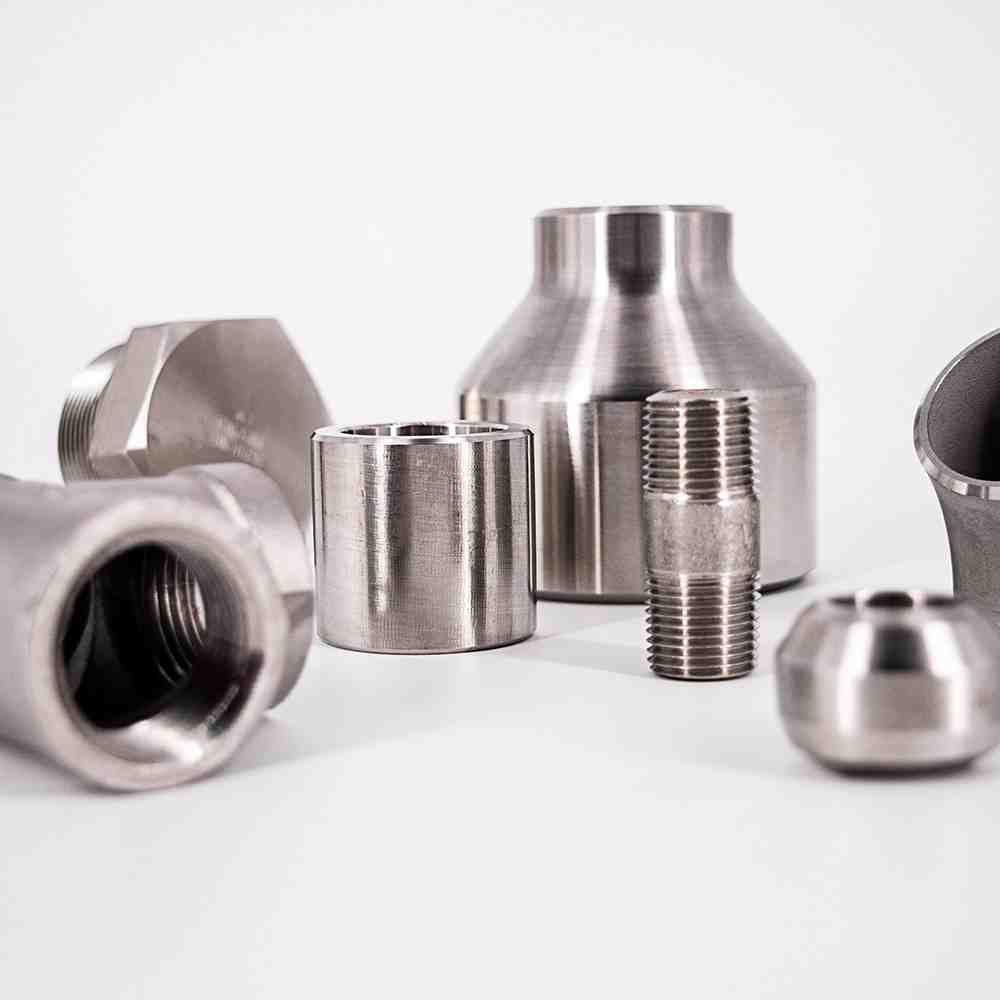
- Fittings: Butt-weld, socket-weld, and threaded fittings (elbows, tees, reducers, caps) that ensure smooth fluid dynamics.
- Flanges: Slip-on, weld-neck, blind, and socket-weld flanges rated from Class 150 to Class 2500.
- Valves: Critical flow-control components, including gate, globe, check, and premium Ball Valves.
- Long & Flat Products: Round bar, hex bar, angles, sheets, plates, and custom-slit strips for structural and machining applications.
Order preparation, packaging, and documentation support
The value of a supplier is often proven in their shipping department. When preparing an order for dispatch, we implement several protective and organizational measures:
- Material Identification & Traceability: Every item is clearly marked with its grade, size, schedule, and unique heat number.
- Color Coding & Tagging: Applying color codes to pipe ends and fittings prevents mix-ups on the job site.
- Protective Packaging: Heavy-wall pipes are bundled securely, while flange faces are protected with wooden or plastic covers to prevent scratches during transit. Custom packaging, such as heavy-duty wooden crates, is used for international shipments or delicate, thin-walled tubing.
- Documentation Review: All required Mill Test Reports (MTRs) and shipping manifests are compiled, verified, and sent digitally before the truck leaves our facility.
The value of certified prime metals and mill test reports (MTRs)
In critical industries, using uncertified or mystery metal is a safety hazard. Certified prime metals come with a paper trail that guarantees their chemical composition and physical properties.
| Feature | Certified Prime Metals | Uncertified / Surplus Remnants |
|---|---|---|
| Traceability | Full heat-number traceability to the melting mill | Limited or no traceability |
| Documentation | Complete Mill Test Reports (MTRs) provided | No official test reports (may use XRF scanning) |
| Predictability | Consistent mechanical and corrosion properties | Variable quality, potential surface blemishes |
| Compliance | Meets ASTM, ASME, and military specifications | May not comply with strict engineering standards |
| Best For | High-pressure, high-temperature, corrosive service | Low-risk structural, prototyping, or basic welding |
Using certified prime materials protects your business from liability, ensures compliance with municipal building codes, and guarantees that your piping systems will perform exactly as designed.
Digital resources that help buyers order accurately
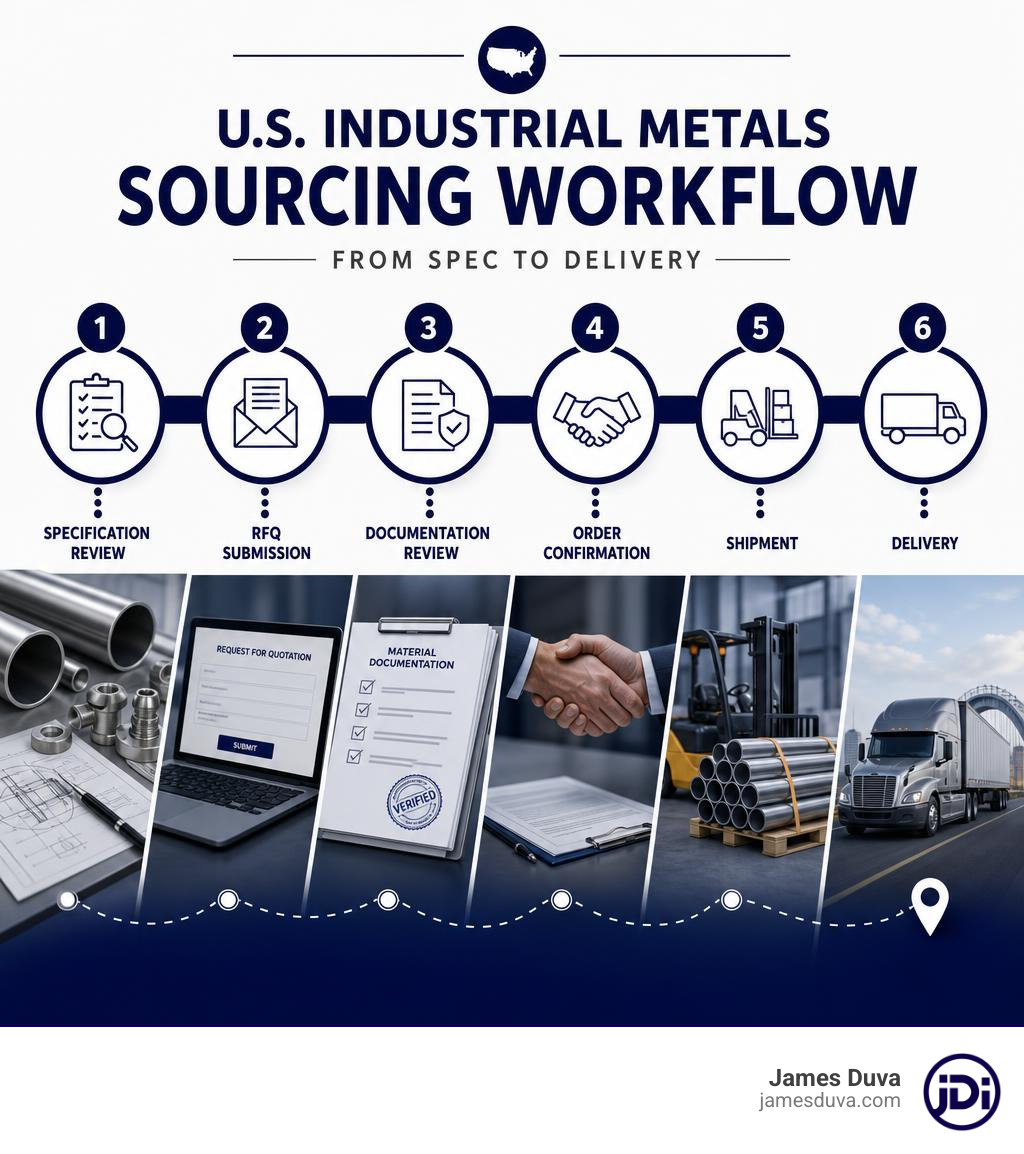
Modern procurement demands efficiency. Leading suppliers provide digital tools to help buyers streamline their workflow. When preparing a Request for Quote (RFQ), having these details ready speeds up response times and ensures accuracy:
- Material Grade: (e.g., 316L Stainless Steel, Alloy C276)
- Standard/Specification: (e.g., ASTM A312, ASME SB444)
- Product Form: (e.g., Seamless Pipe, Weld-Neck Flange)
- Dimensions & Schedule: (e.g., 4″ Nominal Pipe Size, Schedule 40)
- Quantity: (e.g., 120 feet, 15 pieces)
- Certification Requirements: (e.g., MTRs required, ISO 9001 compliance)
- Delivery Location & Required Date: (e.g., job site delivery in Branchburg, NJ)
By utilizing comprehensive online resources, such as our Metal Made Easy The Ultimate List of Stainless Steel Suppliers in New Jersey, buyers can research material properties and make informed decisions before submitting an RFQ.
Quality, Compliance, Sustainability, and Logistics Across the USA
A successful purchasing strategy requires a deep understanding of quality control, regulatory compliance, and logistics management.
Certifications and regulatory controls buyers should verify
When evaluating an industrial metals supplier USA, always confirm their compliance with national and international standards:
- ISO 9001:2015: Ensures the supplier has a documented quality management system that supports consistent business and inspection processes. Buyers can review the official ISO 9001 quality management overview for background on the standard.
- ASME & ASTM: Standard specifications governing the dimensions, chemical limits, and testing procedures for pressure-retaining metals.
- Specialty Standards: For highly specialized applications, look for suppliers who can source materials meeting aerospace standards (AMS), military specifications, or international certifications like DIN EN10204 3.1.
- Environmental & Ethical Directives: Verify that your materials comply with RoHS, REACH, Prop 65, and conflict mineral regulations. This supports an ethical and legally compliant supply chain.
For specialized regional sourcing of high-performance materials in New Jersey, working with James Duva Inc. helps buyers access stainless steel and nickel alloy PVF products with the documentation and traceability required for demanding industrial applications.
Logistics and delivery planning for U.S. industrial metal orders
Shipping heavy, bulky, or long metal products requires careful coordination. A premier supplier offers flexible freight options:
- Less-Than-Truckload (LTL) & Parcel: For smaller shipments of fittings, valves, or short pipe lengths.
- Flatbed & Full Truckloads (FTL): Essential for transporting full-length 20-foot pipes and heavy plates.
- Local Will-Call & Regional Delivery: For businesses operating near our Branchburg, NJ headquarters, local pickup and dedicated regional delivery planning provide fast turnaround options when available.
- Emergency Shipments: Expedited coordination and hot-shot delivery services are critical when an unexpected plant outage occurs.
Environmental and sustainability practices in industrial metal supply
Sustainability is an increasingly important consideration in the metals industry. Fortunately, stainless steel and nickel alloys are highly sustainable materials:
- High Recyclability: Stainless steel and nickel alloys are 100% recyclable. Much of the stainless steel produced in the USA contains significant recycled scrap content.
- Scrap Recovery and Circular Supply Chains: Responsible scrap handling supports a circular economy by keeping valuable alloy materials out of landfills and returning them to productive industrial use.
- Long Lifecycles: Choosing high-performance, corrosion-resistant alloys minimizes the need for frequent material replacement. This reduces the carbon footprint associated with manufacturing, transporting, and installing replacement systems.
Main industries served by U.S. industrial metals suppliers
Specialty metals are the unsung heroes of modern infrastructure. The primary sectors depending on these materials include:
- Chemical Processing: Highly corrosive chemical reactors and transfer piping require specialized nickel alloys and duplex steels.
- Oil, Gas & Petrochemical: High-pressure offshore platforms and refineries rely on heavy-walled pipes, robust flanges, and durable Ball Valves.
- Power Generation: Nuclear, fossil fuel, and renewable power plants require high-temperature superalloys for boiler tubes and steam lines.
- Pharmaceutical & Food Processing: Sanitary environments demand high-purity, easy-to-clean stainless steel tubing and fittings that help prevent contamination.
- Marine & Desalination: Saltwater environments require corrosion-resistant alloys like Monel or Duplex to help prevent chloride stress corrosion cracking.
To better understand how these materials drive global trade and production, explore our educational resources on Worldwide Industries What Industrial Commodities Are and discover why these materials are considered the Industrial Commodities The Backbone of Modern Manufacturing.
Frequently Asked Questions About Industrial Metals Supplier USA Sourcing
What documents should come with certified industrial metals?
Every order of certified industrial metals should be accompanied by a Mill Test Report (MTR). This document provides full chemical analysis (verifying the exact percentages of elements like chromium, nickel, and molybdenum) and mechanical test results (including tensile strength, yield strength, and elongation). The MTR must display a heat number that matches the physical stamp on the metal, ensuring complete traceability back to the original mill run.
How can buyers reduce cost without sacrificing performance?
- Stick to Standard Sizes: Designing systems around standard pipe sizes, schedules, and flange ratings avoids custom manufacturing surcharges.
- Consolidate Shipments: Grouping multiple orders into a single LTL or flatbed delivery significantly reduces freight costs.
- Leverage Supplier Expertise: Discuss your application with your supplier. They may suggest a more readily available, cost-effective alloy that meets your pressure and corrosion requirements without over-specifying.
- Establish Blanket Orders: For ongoing projects, establishing a blanket order allows you to lock in material pricing and ensure consistent inventory availability.
What questions should I ask before placing an order?
Before finalizing your purchase, ask the supplier:
- Are these materials fully certified, and will MTRs be provided with the shipment?
- Are the pipes, fittings, or flanges manufactured to the exact ASTM/ASME specifications required?
- What is the estimated lead time, and do you offer expedited shipping or local pickup?
- How are the materials packaged to prevent transit damage?
- Do you have in-house processing capabilities, such as precision pipe cutting or beveling?
Conclusion: Build a Reliable U.S. Metals Sourcing Strategy
Sourcing industrial metals for critical, high-pressure, or highly corrosive environments requires more than just finding the lowest price. It requires a dedicated partner who understands metallurgical standards, maintains a robust inventory, and prioritizes quality assurance.
At James Duva Inc., we have spent nearly five decades building our reputation as a trusted, one-stop industrial metals supplier USA partner. Operating from our state-of-the-art facility in Branchburg, New Jersey, we stock a comprehensive inventory of high-grade stainless steel and nickel alloy pipes, fittings, flanges, and Ball Valves. Our team is dedicated to providing specification-first purchasing support, complete material traceability, and reliable nationwide shipping.
Whether you are managing a major refinery turnaround or sourcing specialty materials for a local mechanical project, we are here to help you build a resilient, compliant, and efficient supply chain.
Ready to streamline your metals procurement? Contact our expert team today to discuss your project specifications, or explore our extensive stainless steel resources to learn more about our high-performance alloy solutions. Let us show you how we make sourcing specialty industrial metals simple, reliable, and secure.
About James Duva Inc.
Since 1978, James Duva Inc. has been your trusted source for stainless steel and high-nickel alloy industrial products. Whether you’re in the water treatment, process or power industry, we pride ourselves on always having what you need. Say goodbye to your sourcing problems with just one call to James Duva.