
Alloy C-276 Pipe: Seamless Solutions for Severe Environments
Aug 30, 2026
Why Are Alloys So Valuable in Industry?
Pure metals like iron, copper, and aluminum are useful, but in their unalloyed state, they present distinct physical limitations. Iron, for instance, is relatively soft and rapidly oxidizes when exposed to moisture and oxygen, leading to structural degradation through rust.
By strategically combining base elements with specific alloying additives, materials scientists create engineered metals with dramatically enhanced structural strength, oxidation resistance, and long-term durability.
Engineered alloys are vital across critical industrial sectors:
- Construction: Heavy structural beams and specialized utility piping rely on high-strength alloys to withstand immense static loads and environmental weathering without breaking down.
- Oil & Gas: High-pressure extraction environments demand robust alloy components, ranging from heavy-wall line pipe to forged pipe fittings, heavy-duty flanges, and high-performance Ball Valves.
- Automotive & Aerospace: Vehicle frames, jet turbine components, and high-temperature engine assemblies require lightweight yet high-strength alloys capable of maintaining integrity under severe thermal shock and stress.
- Medical & Consumer Goods: Biocompatible alloys are vital for joint replacement implants and surgical tools, while durable stainless compositions form the backbone of commercial kitchenware and food processing machinery.
Chemical Composition and Metallurgy of Hastelloy C-276 Pipe
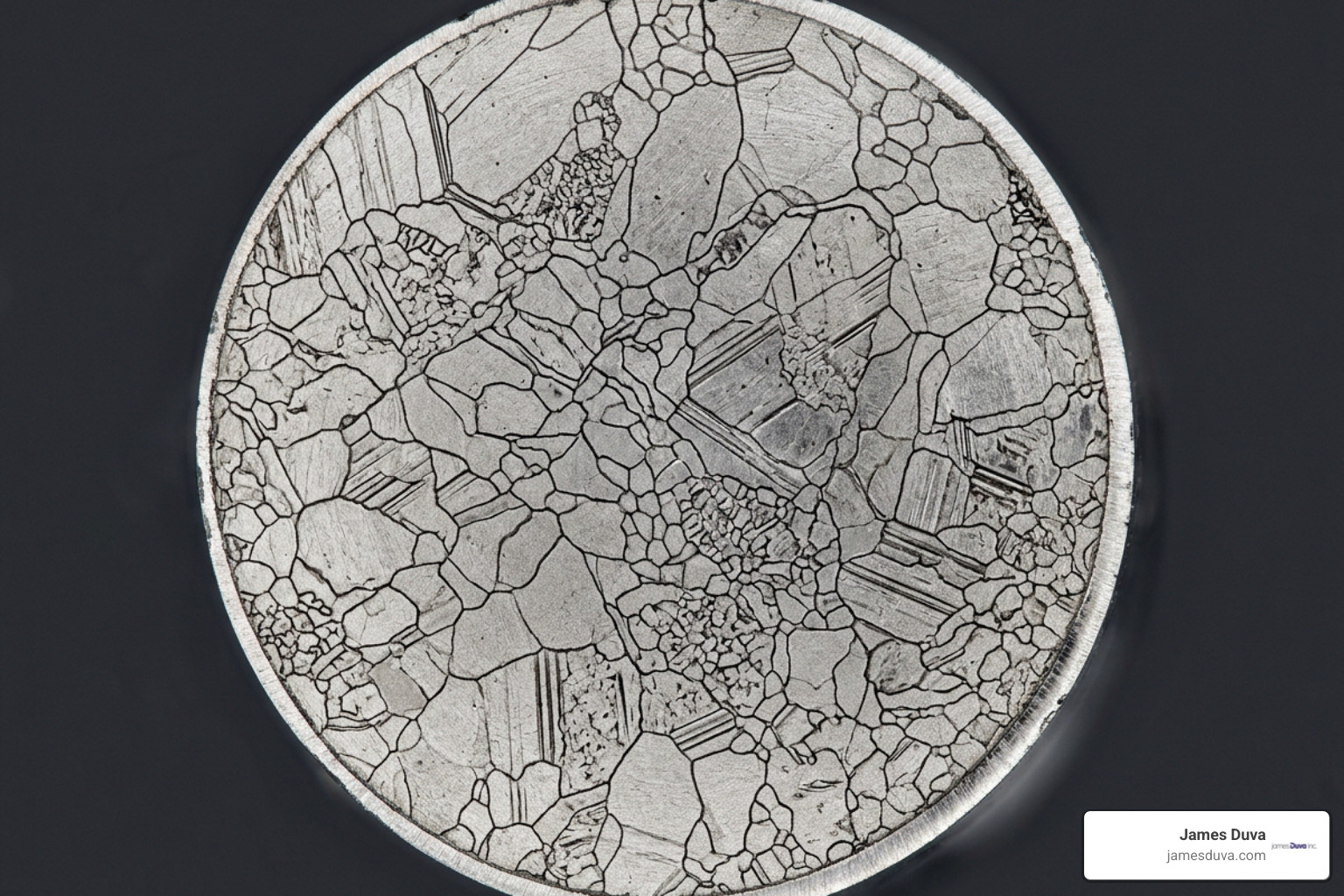
The unique performance of hastelloy c-276 pipe stems directly from its balanced chemical composition. Operating as a nickel-chromium-molybdenum system with a controlled addition of tungsten, the alloy maintains structural stability across a broad spectrum of temperatures and dynamic chemical environments.
The nominal composition of Hastelloy C-276 (UNS N10276) is structured as follows:
| Element | Nominal Composition (Weight %) |
|---|---|
| Nickel (Ni) | ~57% (Balance) |
| Chromium (Cr) | 16% |
| Molybdenum (Mo) | 16% |
| Tungsten (W) | 4% |
| Iron (Fe) | 5% |
| Cobalt (Co) | Max 2.5% |
| Manganese (Mn) | Max 1% |
| Vanadium (V) | Max 0.35% |
| Silicon (Si) | Max 0.08% |
| Carbon (C) | Max 0.01% |
| Copper (Cu) | Max 0.5% |
Key Elements and Corrosion Mitigation
Each element in Hastelloy C-276 plays a specific chemical role. Nickel serves as the primary matrix metal, granting inherent ductile toughness and high resistance to chloride-induced stress corrosion cracking. Chromium provides crucial oxidation resistance, protecting pipe walls in environments that contain oxidizing contaminants or nitric acid traces.
Molybdenum and tungsten work together to provide exceptional resistance against reducing chemicals. As highlighted in our article on Hastelloy C276 UNS N10276: Your Guide to Superior Alloy Solutions, this dual presence of 16% molybdenum and 4% tungsten imparts high resistance to localized attack, including pitting and crevice corrosion, even when piping carries severe acidic halogen solutions.
Microstructure and Weldability Benefits
Historically, early nickel alloys suffered from severe intergranular corrosion along heat-affected zones (HAZ) following welding operations. Heat input caused grain boundary carbide precipitation, depleting the surrounding matrix of key corrosion-resisting elements.
Hastelloy C-276 addressed this issue by keeping silicon (max 0.08%) and carbon (max 0.01%) levels extremely low. This microstructural control prevents harmful precipitate formation during welding. Consequently, hastelloy c-276 pipe can be installed in most process lines in the as-welded condition without requiring immediate post-weld solution annealing, as further explored in our review of Alloy Adventures: Choosing the Right Welded Pipe for Extreme Conditions.
Mechanical Properties and Severe Environment Performance
Below is a detailed property comparison highlighting how Hastelloy C-276 compares to common stainless alloys like 316L and super-austenitic 254SMO:
| Property / Performance Metric | 316L Stainless Steel | 254SMO Super Austenitic | Hastelloy C-276 Pipe |
|---|---|---|---|
| Density | 8.00 g/cm³ | 8.00 g/cm³ | 8.89 g/cm³ (0.321 lb/in³) |
| Melting Range | 1371–1399°C | 1325–1400°C | 1323–1371°C (2415–2500°F) |
| Critical Pitting Temp (CPT) | 59°F (15°C) | 140°F (60°C) | 302°F (150°C) |
| Critical Crevice Temp (CCT) | 32°F (0°C) | 86°F (30°C) | 131°F (55°C) |
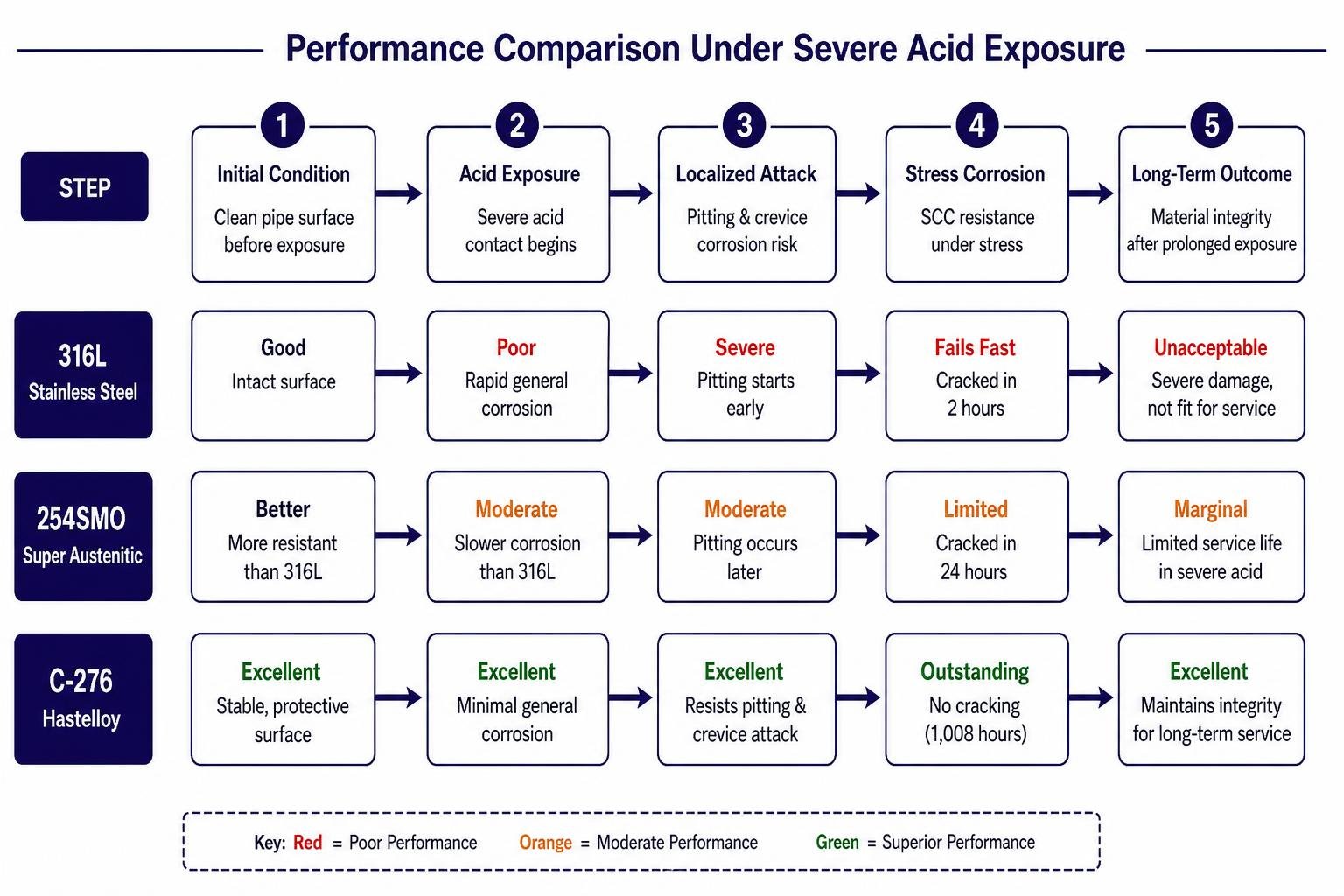
| ASTM G36 MgCl2 SCC Resistance | Cracked in 2 hours | Cracked in 24 hours | No cracking (1,008 hours) |
Acid Service Performance: Hydrochloric, Sulfuric, and Phosphoric
Handling aggressive inorganic acids is a key strength of Hastelloy C-276. For engineers asking Is Hastelloy Better Than Inconel for Acid Environments?, laboratory and field corrosion tests confirm C-276’s capabilities across varying concentrations:
- Hydrochloric Acid (HCl): In 10% hydrochloric acid at 100°F (38°C), C-276 wrought base metal exhibits a low corrosion rate of just 0.17 mm/year, while weld metal maintains a rate of 0.22 mm/year. In 20% HCl at 100°F, base metal corrosion drops to 0.14 mm/year and weld metal exhibits 0.16 mm/year.
- Sulfuric Acid (H2SO4): The high molybdenum content permits safe operation across broad concentrations of sulfuric acid at moderate temperatures, resisting severe general corrosion.
- Phosphoric Acid (H3PO4): Hastelloy C-276 handles wet-process phosphoric acid solutions containing trace fluorides, chlorides, and unreacted sulfuric acid without localized attack.
Pitting, Crevice, and Stress Corrosion Cracking Resistance
localized attack often triggers unexpected piping leaks. In standard laboratory tests using acidified 6% ferric chloride (FeCl3), Hastelloy C-276 achieves a Critical Pitting Temperature (CPT) of 302°F (150°C) and a Critical Crevice Temperature (CCT) of 131°F (55°C).
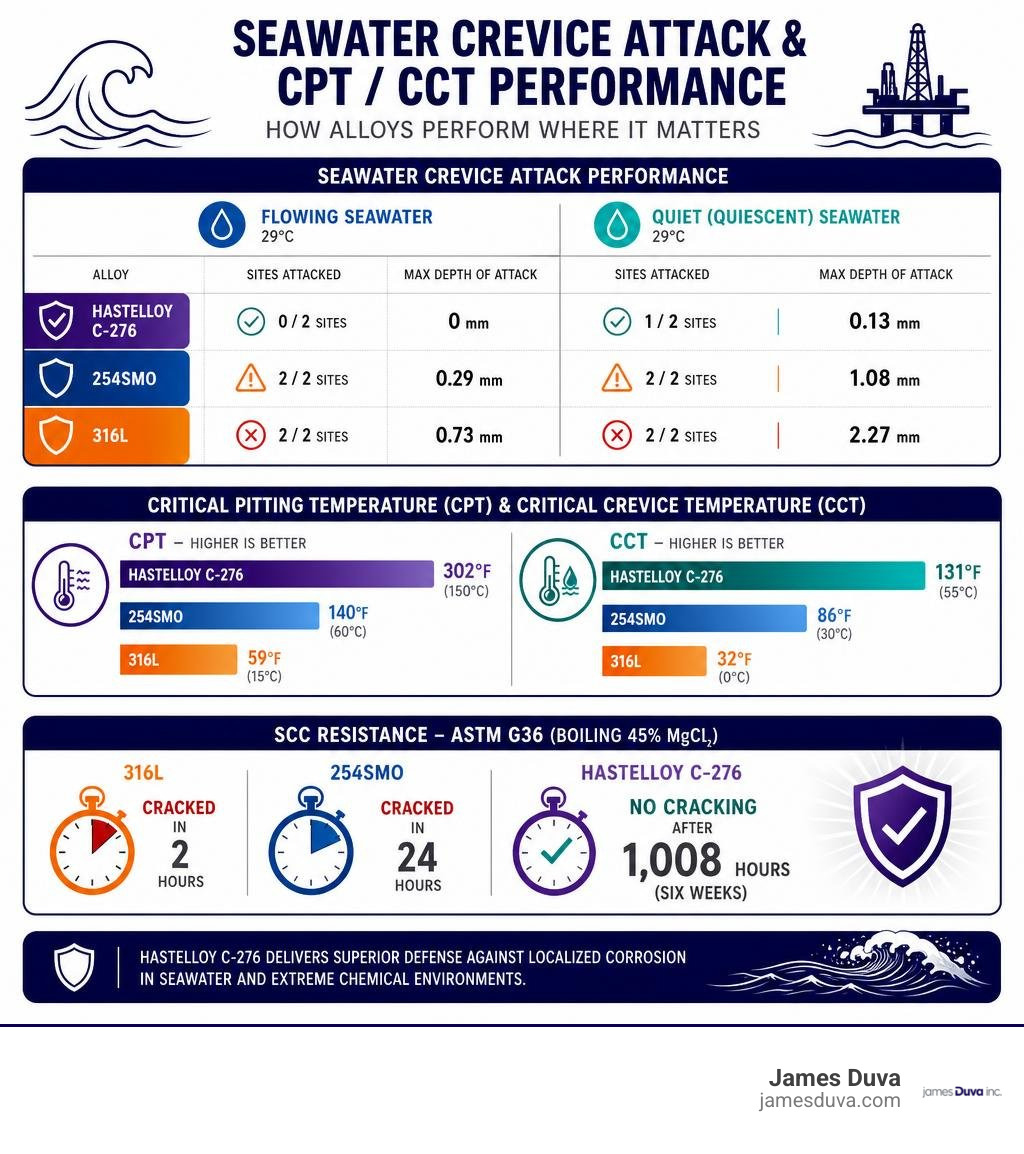
In boiling 45% magnesium chloride stress corrosion cracking tests (ASTM G36), standard 316L stainless steel cracked within 2 hours, and 254SMO cracked in 24 hours. Hastelloy C-276 showed no cracking after 1,008 hours (six weeks) of continuous exposure.
Seawater testing highlights similar performance differences. In flowing seawater crevice tests at 29°C, C-276 showed zero attacked sites and zero depth of attack. Under quiet, quiescent seawater conditions, C-276 recorded attack on only 1 out of 2 sites with a maximum depth of just 0.13 mm (compared to 316L, which suffered attack at all sites with depths up to 2.27 mm).
Fabrication, Heat Treatment, and Standards
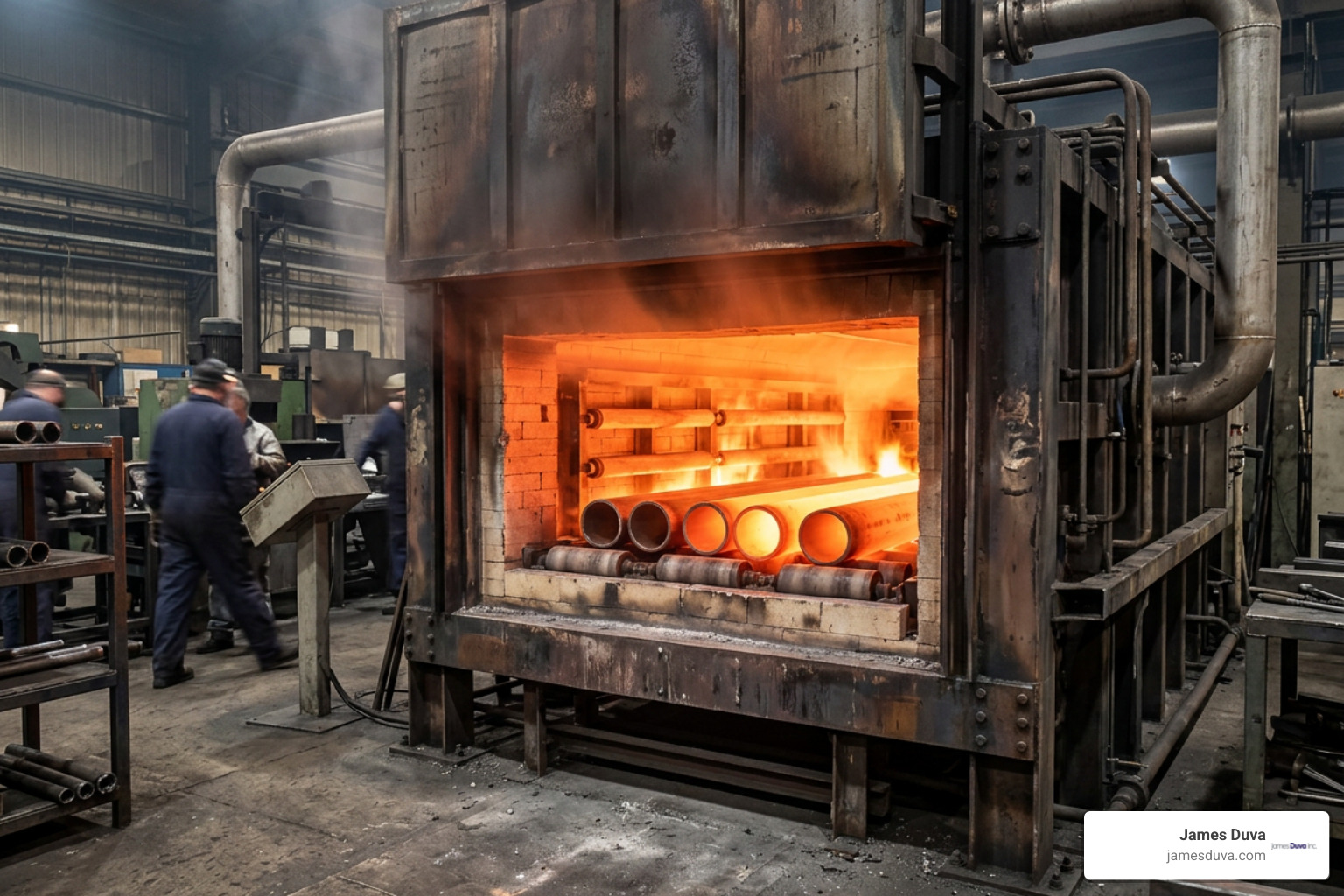
Fabricating hastelloy c-276 pipe requires strict adherence to recommended procedures due to the material’s rapid work-hardening characteristics during cold formation.
When hot forging or forming is required, process operations should start at a maximum temperature of 1232°C (2250°F) and finish above 954°C (1750°F). Material should be kept at temperature only long enough to achieve uniform heating, using moderate reductions and frequent reheating cycles.
Full solution annealing is recommended at 1121°C (2050°F), immediately followed by a rapid water quench. For thin-wall structural tubing under 10 mm, rapid air cooling can be used. Annealing is critical if hot or cold forming processes result in an outer fiber elongation exceeding 7%.
ASTM and ASME Specifications for Hastelloy C-276 Pipe
To maintain safety and consistency in chemical processing plants, hastelloy c-276 pipe products are governed by established industry specifications. For additional reference material, see our detailed overview: Hastelloy C-276 101: Key Alloy Properties Compared.
- Seamless Pipe & Tube: ASTM B622 / ASME SB622
- Welded Pipe: ASTM B619 / ASME SB619
- Welded Tube: ASTM B626 / ASME SB626
- Fittings: ASTM B366 / ASME SB366
- Flanges & Forgings: ASTM B564 / ASME SB564
- Sour Oilfield Service: NACE MR0175 / ISO 15156 compliance for H2S-containing environments
Recommended Welding and Joining Guidelines
Hastelloy C-276 pipe is readily welded using Gas Tungsten Arc Welding (GTAW / TIG) and Gas Metal Arc Welding (GMAW / MIG).
When joining C-276 piping, technicians should utilize matching composition filler materials, such as ERNiCrMo-4 wire or ENiCrMo-4 covered electrodes. Welders should maintain low heat input, restrict interpass temperatures to below 93°C (200°F), and employ stringer bead techniques to prevent hot cracking and preserve corrosion resistance across the weld joint.
Industrial Applications of Hastelloy C-276 Piping
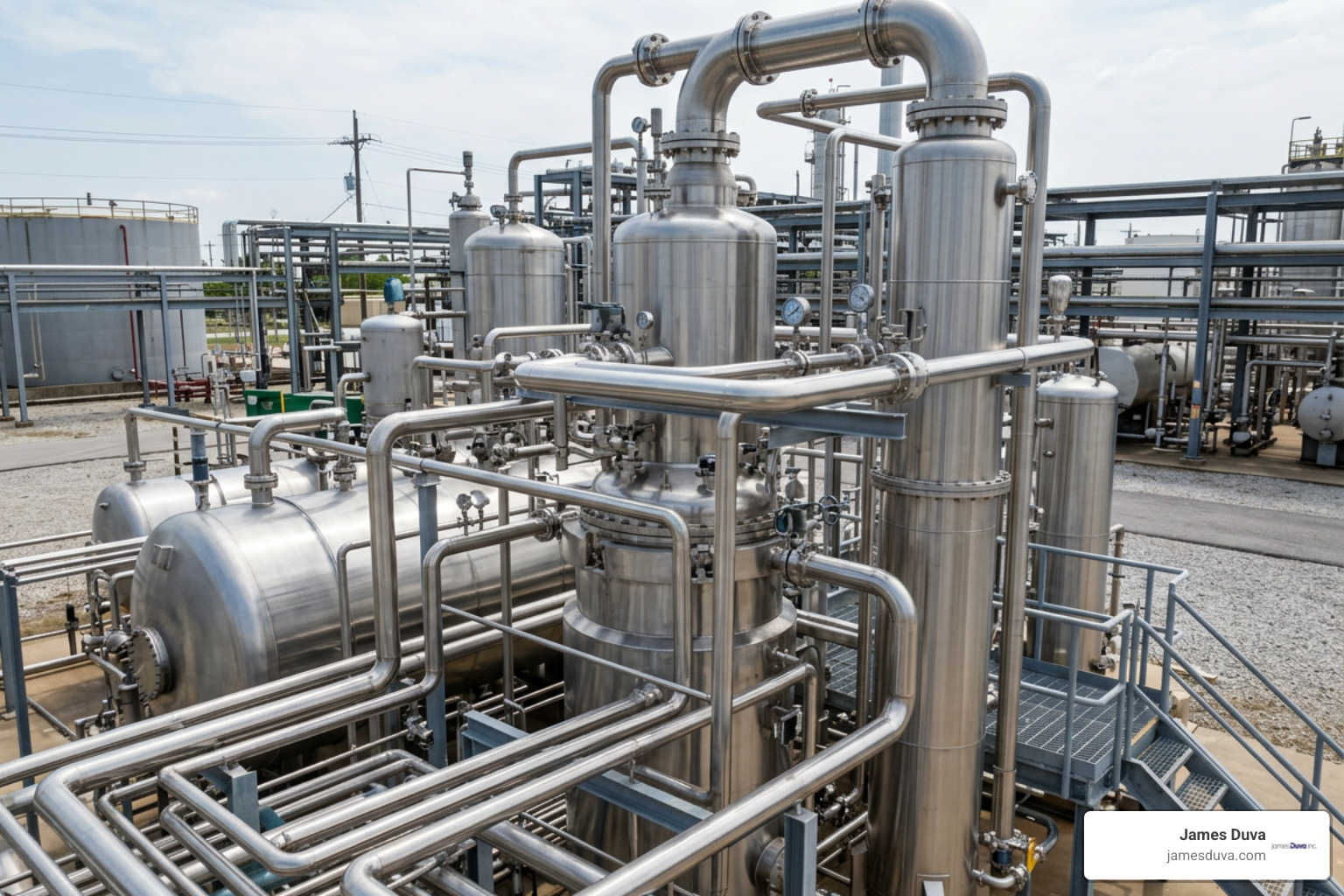
Thanks to its versatility across reducing and oxidizing chemicals, hastelloy c-276 pipe is widely deployed across critical industries, as detailed in our guide on Exploring the Applications of Hastelloy C-276: Versatility in Industrial Solutions:
- Chemical & Petrochemical Processing: Serves in chemical reactors, heat exchangers, distillation columns, and acid reboilers handling volatile chlorides, acetic acid, and solvents.
- Flue Gas Desulfurization (FGD): Used in power plant scrubbers, duct liners, and absorber towers where severe sulfur dioxide and chloride condensates destroy lower-grade alloys.
- Sour Gas Extraction: Used in downhole tubing and surface piping exposed to wet hydrogen sulfide (H2S), carbon dioxide, and elevated chlorides.
- Offshore & Seawater Systems: Employed in heat exchangers and cooling systems on offshore platforms where biofouling and stagnant seawater lead to severe crevice corrosion.
Frequently Asked Questions About Hastelloy C-276
What standard specifications govern Hastelloy C-276 pipe?
Seamless hastelloy c-276 pipe is specified under ASTM B622 and ASME SB622. Welded pipe is governed by ASTM B619 and ASME SB619. Structural tubing falls under ASTM B626 / SB626, and sour gas oilfield service requires compliance with NACE MR0175 / ISO 15156.
How does Hastelloy C-276 perform in welded piping systems?
Because C-276 maintains ultra-low carbon (max 0.01%) and silicon (max 0.08%) limits, it prevents intergranular carbide precipitation during welding. As a result, the corrosion resistance of weld metal is closely matched to the base metal, enabling safe operation in as-welded process installations.
What is the recommended heat treatment temperature for Hastelloy C-276 pipe?
The recommended solution annealing temperature is 1121°C (2050°F). Following heat exposure, the material should be rapidly quenched in water (or rapid air cooled for thin sections under 10 mm) to lock in optimal corrosion resistance and mechanical ductility.
Conclusion
When standard stainless steels or lower-grade nickel alloys fail under extreme corrosion, heat, and stress, hastelloy c-276 pipe provides a dependable long-term solution. Its balanced combination of 57% nickel, 16% chromium, 16% molybdenum, and 4% tungsten ensures exceptional resistance to pitting, crevice attack, and stress corrosion cracking in aggressive chemical environments.
At James Duva Inc., based in Branchburg, NJ, we have supplied premier industrial pipe, fittings, flanges, and piping components to chemical processing, oil & gas, and manufacturing facilities since 1978. Whether you need seamless pipe, welded systems, or custom material sourcing, our technical sales team is ready to help you select the exact alloy schedule for your application.
For detailed material guidance and supply options, read our complete guide on Hastelloy C276 UNS N10276: Your Guide to Superior Alloy Solutions or contact our team in Branchburg, NJ today.
About James Duva Inc.
Since 1978, James Duva Inc. has been your trusted source for stainless steel and high-nickel alloy industrial products. Whether you’re in the water treatment, process or power industry, we pride ourselves on always having what you need. Say goodbye to your sourcing problems with just one call to James Duva.