
A – Z Guide to Nickel Alloy Suppliers
Jul 22, 2026
Why Finding the Right Nickel Alloy Supplier Matters
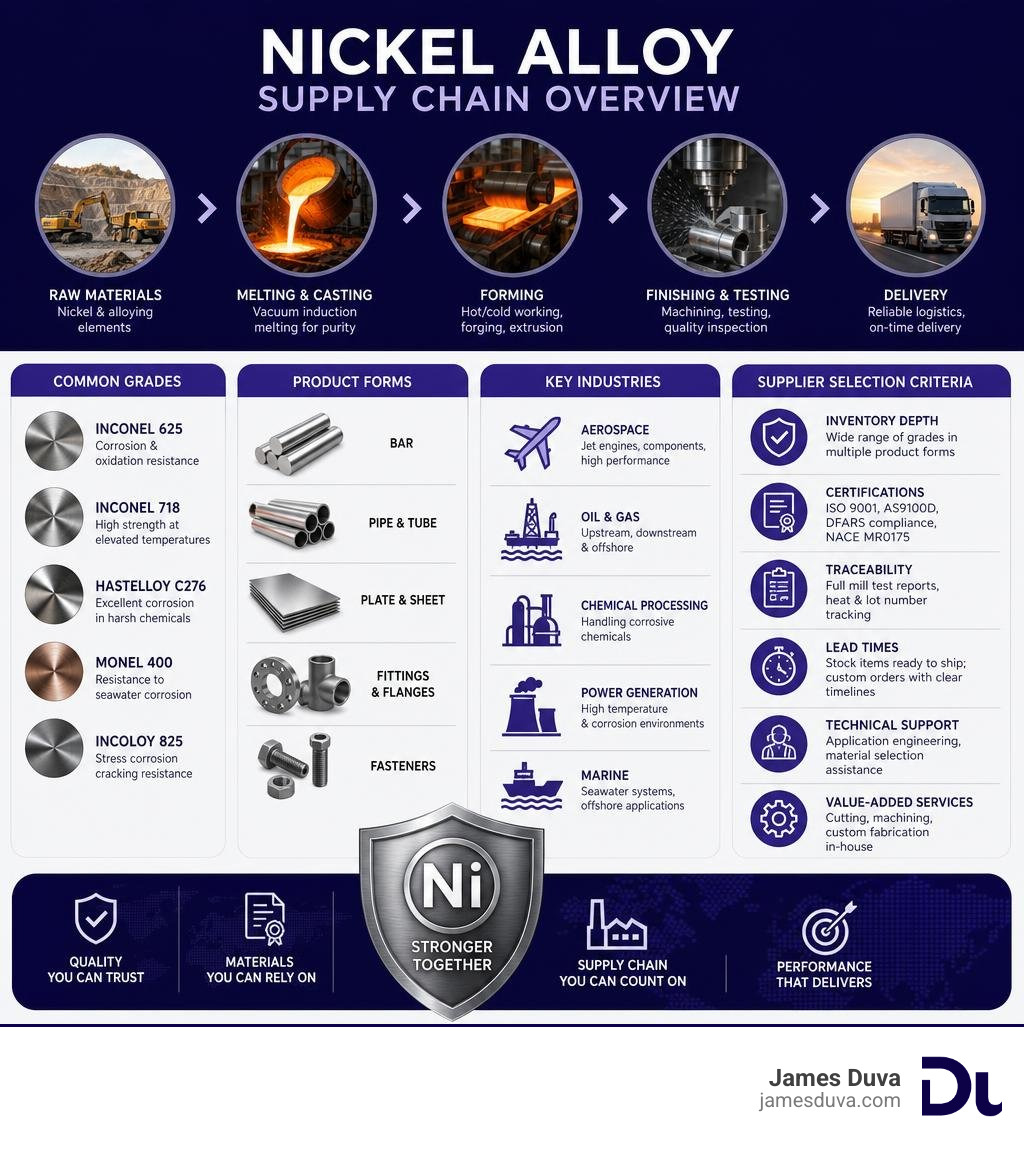
Finding a reliable nickel alloy supplier is one of the most critical decisions an industrial buyer can make — especially when your process equipment, pipeline integrity, or aerospace component depends on getting the right material, on time, to spec.
Here’s what to look for when sourcing nickel alloys:
| Factor | What to Look For |
|---|---|
| Inventory depth | Wide range of grades (625, 718, C276, Monel 400, etc.) in multiple product forms |
| Certifications | ISO 9001, AS9100D, DFARS compliance, NACE MR0175 |
| Traceability | Full mill test reports, heat and lot number tracking |
| Lead times | Stock items ready to ship; custom orders with clear timelines |
| Technical support | Application engineering, material selection assistance |
| Value-added services | Cutting, machining, custom fabrication in-house |
Nickel alloys are among the most demanding materials to source. They power over 90% of jet engines, handle corrosive acids in chemical plants, and survive the brutal pressures of deep-sea oil and gas systems. The global market for these materials was valued at approximately $12.5 billion in 2023 — and it keeps growing, driven by aerospace, energy, and chemical processing demand.
Yet sourcing them is rarely simple. Grades vary widely. Specifications are strict. And a wrong material call — or a supplier who can’t back up their stock with proper documentation — can shut down a project fast.
This guide walks you through everything you need to know, from alloy properties and common grades to what separates a trustworthy supplier from one that will leave you chasing paperwork.
I’m Billy Walker, Vice President of James Duva Inc., where I’ve spent years helping engineers and procurement professionals in the power, process, and water treatment industries source high-nickel alloys and specialty piping components from a nickel alloy supplier they can count on. James Duva has been doing this since 1978, and in that time we’ve learned exactly what industrial buyers need — and where most suppliers fall short.
Why Are Alloys So Valuable in Industry?
To understand why a dedicated nickel alloy supplier is so critical to modern manufacturing, we first have to look at the fundamental science of metals. Pure, elemental metals are rarely ideal for demanding industrial applications. For instance, pure iron is relatively soft, highly susceptible to rust, and lacks the structural integrity required to support massive loads.
By strategically melting and mixing pure metals with other elements, metallurgists create “alloys.” These engineered mixtures solve the natural limitations of pure elements, offering vastly superior strength, wear resistance, and durability. Alloys are the unsung heroes of the modern built world, serving as the backbone for critical infrastructure across multiple sectors.
Construction and Infrastructure
In civil engineering and heavy construction, materials must endure high structural stresses and environmental exposure over decades. Standard carbon steels and basic alloys are formed into structural beams, reinforced concrete bars, and industrial piping. These materials provide the necessary load-bearing capacity and fatigue resistance to keep bridges, high-rise buildings, and municipal water systems standing safely.
Oil & Gas Applications
The oil and gas industry operates in some of the most unforgiving environments on Earth. Pipelines, offshore drilling platforms, and refinery equipment are constantly exposed to high pressures, extreme temperatures, and corrosive substances like hydrogen sulfide and carbon dioxide. In these environments, standard metals would fail rapidly. High-performance alloys are used to manufacture heavy-duty flanges, high-pressure fittings, and downhole piping that can withstand both mechanical stress and chemical attack without cracking or leaking.
Automotive & Aerospace Engineering
Modern transportation relies heavily on weight reduction, fuel efficiency, and thermal performance. In the automotive sector, advanced high-strength steel and aluminum alloys are utilized for structural frames to improve safety while reducing vehicle weight. In aerospace, the demands are even more extreme. Jet engines and structural components must survive intense thermal stress, high vibrations, and oxidation. Specialized superalloys are engineered to maintain their mechanical strength at temperatures that would melt conventional metals.
Medical & Consumer Goods
Alloys also play a vital role in our daily lives and healthcare. In the medical field, biocompatible alloys such as specific grades of stainless steel, titanium, and nickel-titanium (nitinol) are used for surgical implants, joint replacements, and dental tools because they do not react with human tissue. In consumer markets, durable stainless steel and nickel-containing alloys are the standards for sanitary kitchenware, food processing equipment, and high-end appliances, offering surfaces that are easy to clean and highly resistant to staining.
Understanding Nickel Alloys and Their Industrial Properties
When standard stainless steel reaches its physical limits, nickel-based alloys step in. Nickel is a highly versatile transition metal. It has a shiny, lustrous appearance, but more importantly, it exhibits outstanding corrosion resistance, high ductility, and excellent thermal and electrical conductivity.
When alloyed with elements like chromium, molybdenum, iron, and copper, nickel forms some of the most resilient materials known to engineering. These materials are often classified as superalloys because of their ability to perform under extreme conditions.
Key properties that make nickel alloys indispensable include:
- Outstanding Corrosion Resistance: Nickel-based alloys exhibit extremely low atmospheric corrosion rates — typically less than 0.0025 mm per year. They resist localized attack, such as pitting and crevice corrosion, even when exposed to highly aggressive acids (like hydrofluoric, sulfuric, and hydrochloric acids) and saltwater.
- High-Temperature Stability: Many metals lose their strength and begin to oxidize or deform (creep) at elevated temperatures. Nickel alloys, particularly superalloys like Inconel 718, maintain their mechanical properties and resist oxidation at temperatures up to 650°C (1200°F) and higher.
- Controlled Thermal Expansion: Certain nickel-iron alloys, such as Invar 36, exhibit incredibly low thermal expansion rates near room temperature. This makes them crucial for precision instruments, aerospace molds, and optical systems where dimensional stability is non-negotiable.
- Excellent Ductility and Formability: Despite their high strength, nickel alloys can be modified, drawn, and formed into complex shapes. They also retain remarkable toughness and impact strength at subzero and cryogenic temperatures.
Understanding these properties is key to making cost-effective procurement decisions. To learn more about when to upgrade your materials, read our guide on When to Choose Nickel Alloys Over Stainless Steel in Industrial Applications.
Key Criteria for Selecting a Reliable Nickel Alloy Supplier
Because nickel alloys are expensive and used in high-consequence environments, choosing the right nickel alloy supplier is just as important as choosing the right grade. A poor supplier choice can result in project delays, out-of-specification materials, or catastrophic component failures.
To protect your operations, look for a supplier that excels in the following areas:
- Inventory Depth and Variety: A premier supplier should stock a comprehensive range of grades and product forms. If you have to source your pipe from one vendor, your fittings from another, and your round bar from a third, you increase your administrative costs and supply chain risks. For a deeper dive into sourcing strategies, see our article on 5 Ways to Find Nickel Alloy Suppliers Like a Pro.
- Material Traceability: Reputable suppliers maintain strict material traceability. Every shipment should be accompanied by certified Mill Test Reports (MTRs) detailing the chemical composition, physical properties, and manufacturing standards of the specific heat number.
- Technical Support: Sourcing specialized metals requires technical expertise. Your supplier should have knowledgeable application engineers on staff who can assist with material selection, compatibility questions, and specification compliance.
Quality Standards and Compliance for a Nickel Alloy Supplier
A top-tier nickel alloy supplier must adhere to rigorous international and domestic standards to ensure material reliability. When reviewing a supplier’s certifications, verify compliance with the following:
- ASTM & ASME: These standards govern the dimensional tolerances, testing procedures, and material properties of industrial metals. Common standards include ASTM B166 (for Inconel bars) and ASTM B622 (for seamless tubing).
- AMS (Aerospace Material Specifications): Crucial for aerospace and defense applications where material purity and performance are critical.
- DFARS (Defense Federal Acquisition Regulation Supplement): Essential for U.S. defense contracts, requiring specialty metals to be melted in the United States or qualifying NATO countries.
- NACE MR0175 / ISO 15156: This standard specifies materials resistant to sour service (hydrogen sulfide environments) in oil and gas production.
- ISO 9001 & AS9100D: These quality management systems ensure that the supplier has robust processes for order processing, quality control, and continuous improvement.
In-House Processing and Value-Added Services
Sourcing raw metal is only half the battle. To save time and reduce waste, look for a supplier that offers in-house processing. Reputable suppliers provide:
- Waterjet Cutting: Ideal for cutting thick nickel alloy plates into precise, near-net shapes without creating a heat-affected zone (HAZ) that could alter the material’s properties.
- Plasma Cutting: A fast, cost-effective method for cutting plates and sheets to custom dimensions.
- Precision Machining & Boring: Turning, milling, and drilling round bars or forgings to tight tolerances.
- Custom Fabrication & Welding: High-nickel alloys require specialized welding techniques (such as gas-shielded TIG or MIG processes) to prevent cracking. Working with a supplier that offers pre-fabricated or custom-welded assemblies can significantly streamline your project timeline.
Common Nickel Alloy Grades and Product Forms
Different industrial environments require different alloy chemistries. Here is a breakdown of the most common nickel alloy families and grades stocked by leading suppliers:
| Alloy Family | Common Grades | Key Elements | Typical Applications |
|---|---|---|---|
| Pure Nickel | Nickel 200, Nickel 201 | 99% Ni | Food processing, caustic handling, synthetic fiber production |
| Monel | Alloy 400, Alloy K500 | Ni-Cu | Marine hardware, pumps, valves, chemical processing |
| Inconel | Alloy 600, Alloy 625, Alloy 718 | Ni-Cr-Fe-Mo | Aerospace turbines, exhaust systems, chemical reactors, nuclear engineering |
| Hastelloy | Alloy C276, Alloy C22, Alloy B3 | Ni-Mo-Cr | Flue gas desulfurization, petrochemical reactors, highly corrosive acids |
| Incoloy | Alloy 800, Alloy 825 | Ni-Fe-Cr | Heat exchangers, heating element sheathing, high-temperature piping |
Sourcing High-Performance Grades from a Nickel Alloy Supplier
Each of these grades is engineered to solve specific industrial challenges. For example:
- Inconel 625 is highly valued for its high strength, excellent fabricability, and outstanding corrosion resistance in marine and chemical environments. To find out where to source this versatile material, check out our Supplier Spotlight: Where to Find Your Inconel 625 and Other High-Performance Alloys.
- Inconel 718 is a precipitation-hardening superalloy designed to maintain high yield and tensile strength at temperatures up to 700°C. It is a cornerstone material in the aerospace sector. Learn more in our article on Nickel-Based Alloys in the Aerospace Industry.
- Hastelloy C276 is widely considered the premier corrosion-resistant alloy for chemical processing plants, offering unmatched resistance to pitting, stress corrosion cracking, and oxidizing atmospheres.
Available Product Forms and Size Ranges
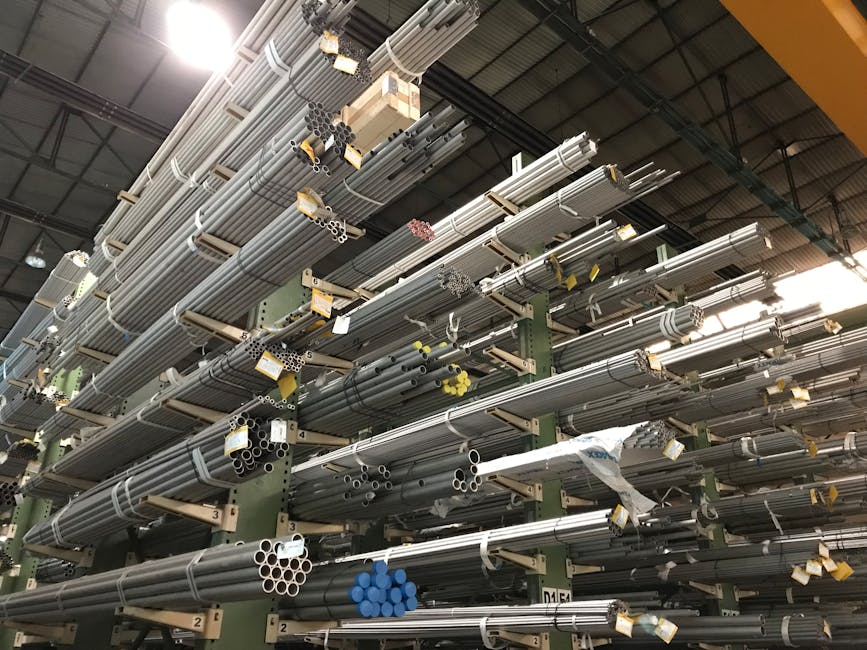
A versatile nickel alloy supplier will carry these high-performance grades in a wide range of product forms and sizes to match your specific fabrication requirements:
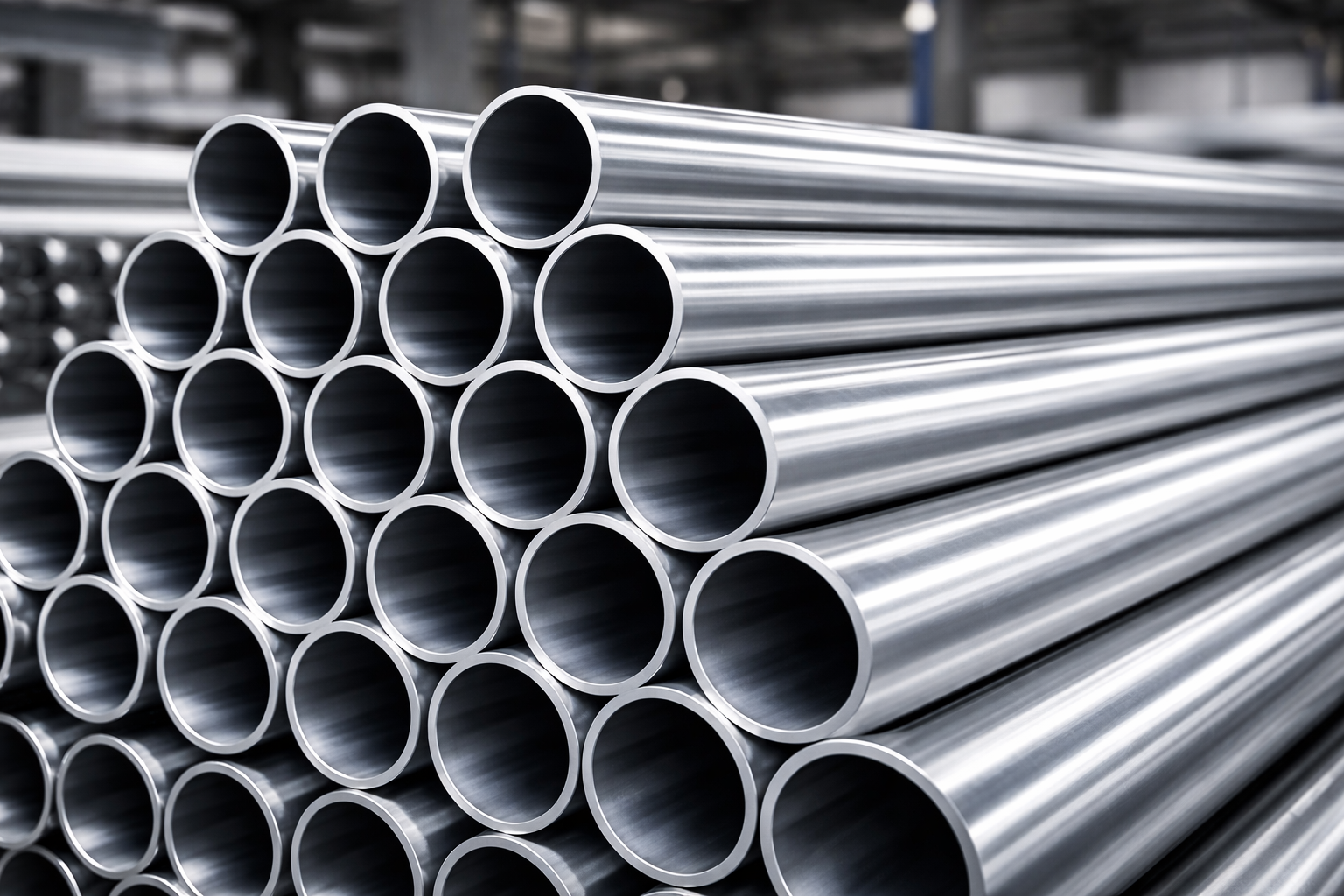
- Pipes, Tubes, & Capillary Tubing: Available in both seamless and welded configurations. Seamless pipes are preferred for high-pressure applications, while precision capillary tubes are used in medical devices and instrumentation.
- Round Rods & Bars: Supplied in diameters ranging from small-diameter wire (under 1 mm) up to large-diameter round bars (up to 14 inches or 400 mm). For details on bar sourcing, see Nickel Alloy Round Rod and Bar: Inconel, Hastelloy, and Beyond.
- Hollow Bars: Excellent for machining cylindrical components, reducing material waste and machining time. Typically available in diameters from 2.5 inches to 16 inches.
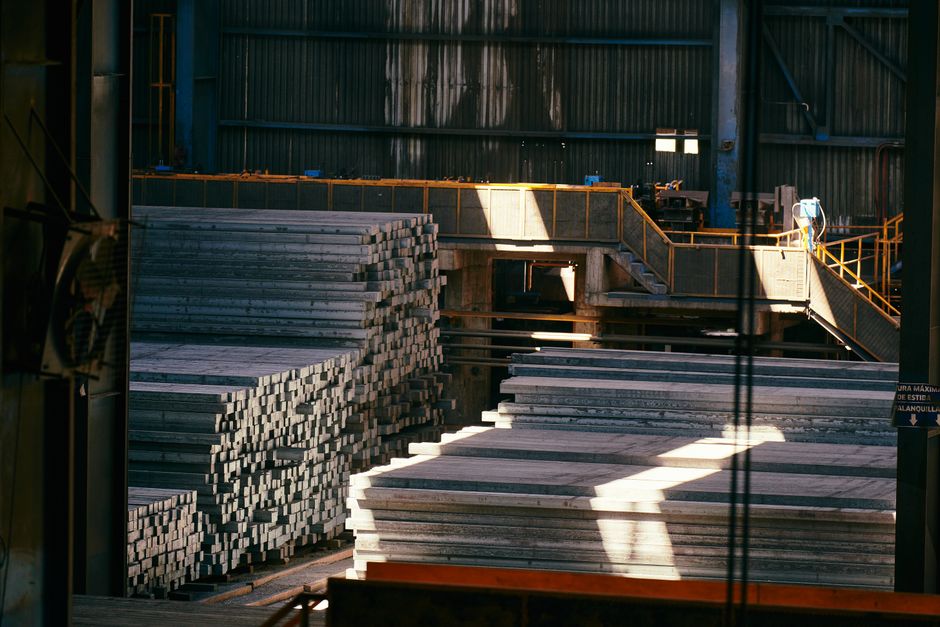
- Plates, Sheets, & Coils: Stocked in various thicknesses for structural fabrication, heat exchangers, and vessel linings.
- Fittings & Flanges: Essential for building secure, leak-free piping networks in harsh environments. To understand why quality fittings are non-negotiable, read Why Nickel Alloy Fittings Are Essential for Demanding Environments.
Frequently Asked Questions About Sourcing Nickel Alloys
What is the most common nickel alloy grade used in high-temperature environments?
Inconel 718 is the most widely used high-temperature nickel alloy. Because it is a precipitation-hardenable alloy containing niobium and molybdenum, it retains its exceptional tensile and creep-rupture strength at temperatures up to 700°C (1300°F). It also exhibits excellent oxidation resistance, making it the standard choice for gas turbines, rocket motors, and spacecraft components.
How do DFARS and USA-origin requirements affect nickel alloy pricing?
DFARS (Defense Federal Acquisition Regulation Supplement) and USA-origin requirements mandate that specialty metals used in defense and government contracts must be melted within the United States or a qualifying country. Because the supply chain for domestic and qualifying-origin materials is more restricted, DFARS-compliant nickel alloys typically carry a price premium and may have longer lead times compared to standard commercial-grade imports. However, they guarantee a level of quality and regulatory compliance that is legally required for defense-related applications.
Can nickel alloy suppliers handle custom or small-quantity orders?
Yes, reputable suppliers understand that not every project requires thousands of pounds of metal. Many suppliers accommodate small-quantity orders for prototypes, research and development, or emergency maintenance repairs. Additionally, through value-added services like precision cutting and machining, suppliers can deliver custom-sized blocks, blanks, or near-net shapes tailored to your exact drawings, saving you from purchasing excess material.
Conclusion
Sourcing high-performance metals doesn’t have to be a logistical headache. When you partner with an experienced, service-oriented nickel alloy supplier, you gain more than just a material vendor — you gain a supply chain partner who understands your quality requirements, your delivery pressures, and your technical challenges.
At James Duva Inc., we have been serving as a trusted one-stop shop for high-grade stainless steel and nickel alloy products since 1978. Operating out of our facility in Branchburg, New Jersey, we maintain a deep inventory of specialty piping, tubing, fittings, flanges, and high-performance Ball Valves. We pride ourselves on providing complete material traceability, fast turnaround times, and the technical expertise needed to support critical projects in chemical processing, oil and gas, and water treatment.
If you are looking to streamline your procurement process, learn how we make sourcing easy by reading our guide on a One-Stop Solution: Sourcing Stainless Steel and Nickel Alloy Products Made Easy.
Ready to discuss your next project or request a quote? Explore our comprehensive range of nickel alloys or contact our expert sales team in Branchburg, NJ today.
About James Duva Inc.
Since 1978, James Duva Inc. has been your trusted source for stainless steel and high-nickel alloy industrial products. Whether you’re in the water treatment, process or power industry, we pride ourselves on always having what you need. Say goodbye to your sourcing problems with just one call to James Duva.