
Finding the Perfect Match: Your Stainless Steel Tubing Supplier Checklist

Aug 19, 2026
Why Choosing the Right Stainless Steel Tubing Supplier Matters
Finding a reliable stainless steel tubing supplier is one of the most critical decisions you’ll make for your industrial supply chain. Get it wrong, and you risk project delays, quality failures, and costly downtime.
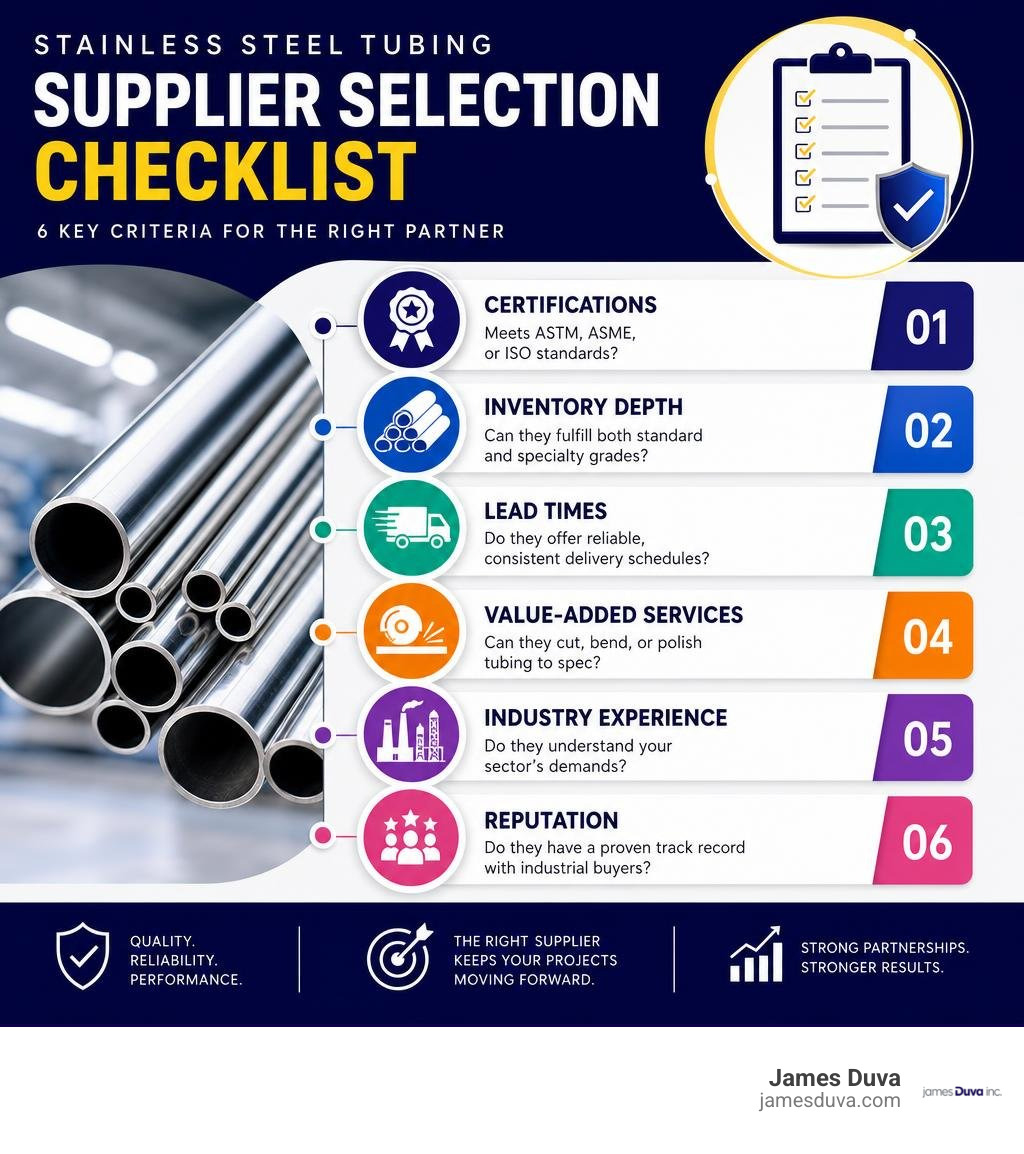
Here’s a quick checklist of what to look for:
- Certifications — Does the supplier meet ASTM, ASME, or ISO standards?
- Inventory depth — Can they fulfill both standard and specialty grades?
- Lead times — Do they offer reliable, consistent delivery schedules?
- Value-added services — Can they cut, bend, or polish tubing to spec?
- Industry experience — Do they understand your sector’s demands?
- Reputation — Do they have a proven track record with industrial buyers?
The stakes are high. The global stainless steel tubing market was valued at around $28.5 billion in 2023 and is projected to grow to $40.2 billion by 2032. Demand is surging — especially in oil and gas, which alone accounts for over 30% of global consumption. That means more suppliers in the market, but also more variation in quality and reliability.
For engineers, contractors, and procurement professionals in chemical processing or oil and gas, a wrong sourcing decision doesn’t just slow a project — it can halt it entirely.
I’m Billy Walker, Vice President of James Duva Inc., where I’ve spent years connecting industrial clients with high-quality domestic stainless steel tubing from trusted manufacturers. In my role as a stainless steel tubing supplier partner to the power, process, and water treatment industries, I’ve seen what separates a great supplier from a costly mistake.
Stainless steel tubing supplier glossary:
Why Are Alloys So Valuable in Industry?
To truly appreciate the importance of choosing a premier stainless steel tubing supplier, it helps to understand why alloys are the lifeblood of modern industrial applications.
In their pure forms, elemental metals often fall short of meeting the rigorous demands of industrial environments. Pure iron, for example, is relatively soft, structurally weak, and highly prone to rust when exposed to oxygen and moisture. To overcome these natural limitations, metallurgists combine pure metals with other elements to create alloys. By carefully balancing elements like chromium, nickel, molybdenum, and carbon, we produce materials that offer vastly superior strength, durability, and resistance to environmental degradation.
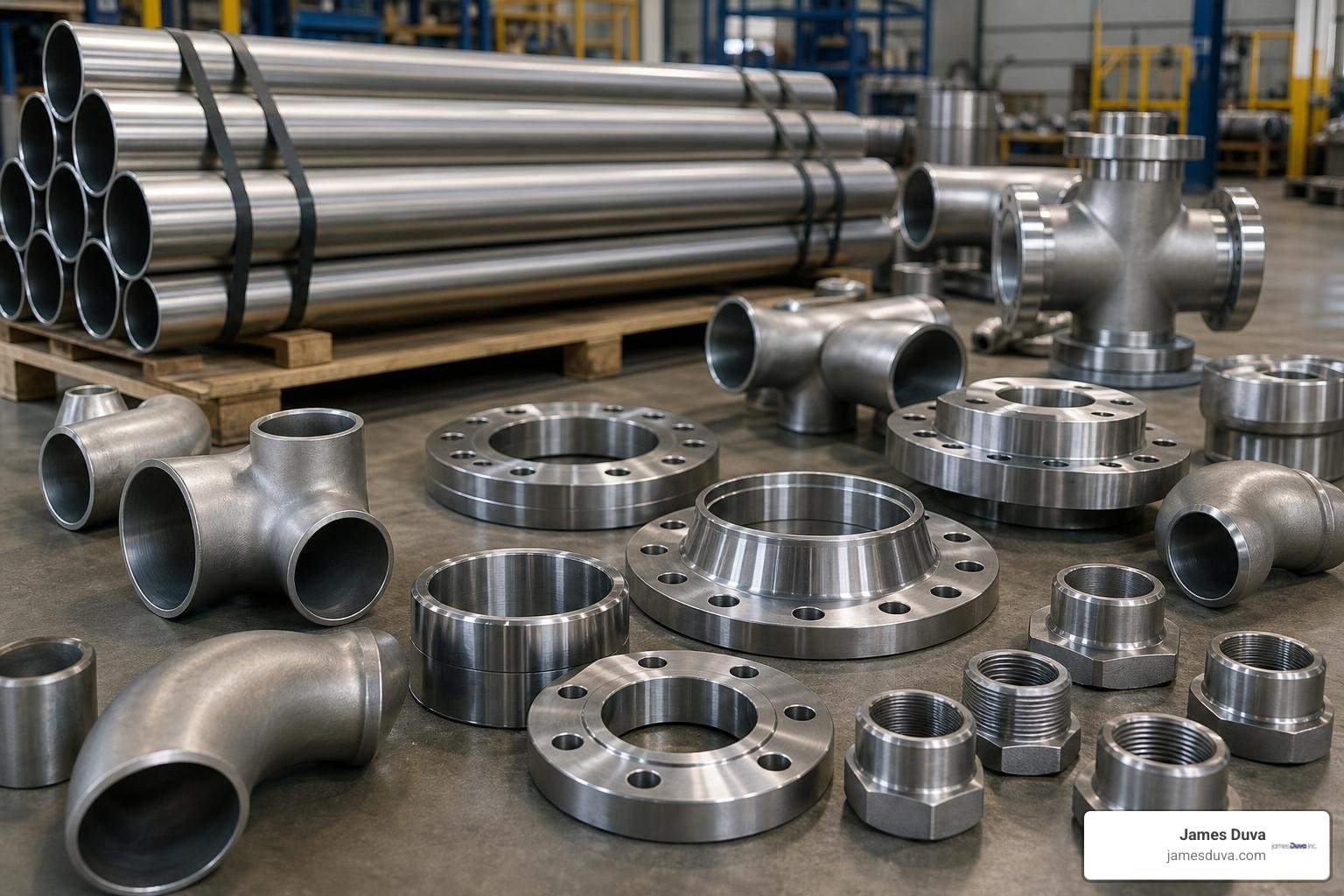
Alloys like stainless steel form a protective, self-healing chromium oxide layer on their surface, preventing rust and ensuring long-term structural integrity. This makes them indispensable across a wide range of demanding industries:
- Construction: Modern infrastructure relies on alloy steel for structural beams, support columns, and heavy-duty architectural piping systems that must withstand extreme environmental loads and weather conditions.
- Oil & Gas: Operating in harsh, corrosive environments requires high-performance alloy fittings, flanges, and tubing. These components must resist high pressures and sour gas environments without cracking or corroding.
- Automotive & Aerospace: High-strength, lightweight alloys are critical for structural vehicle frames, exhaust systems, and high-temperature turbine aircraft engines where safety and performance are non-negotiable.
- Medical & Consumer Goods: Biocompatible stainless steel alloys are used for surgical implants and medical instruments, while durable, food-grade alloys are the standard for commercial kitchenware and food processing equipment.
Without these specialized alloys, the infrastructure we rely on daily simply could not function safely or efficiently.
Key Factors in Selecting a Stainless Steel Tubing Supplier
When you are searching for a stainless steel tubing supplier, evaluating their capabilities requires looking far beyond the price per foot. Sourcing industrial materials is a long-term partnership, and your supplier’s operational integrity directly impacts your project’s success.
A reputable supplier must offer verified quality documentation, reliable delivery networks, and deep technical expertise. For companies managing complex supply chains, partnering with an established distributor like James Duva, Inc. – Branchburg, NJ – Wholesale Pipe, Valves & Fittings ensures that every length of tubing delivered meets exact project specifications and industry regulations.
Geographic location is another critical factor. A supplier based in a major logistical hub, such as Branchburg, New Jersey, can significantly reduce transit times and shipping costs for East Coast projects. Localized warehousing allows for rapid dispatch, minimizing the risk of costly project delays due to transportation bottlenecks.
Evaluating the Capabilities of a Stainless Steel Tubing Supplier
The best suppliers do more than just ship raw materials; they act as an extension of your manufacturing floor by offering value-added services. When a supplier can perform precision processing in-house, it streamlines your supply chain, reduces handling damage, and lowers overall production costs.
Key value-added services to look for include:
- Precision Cutting: Clean, square cuts to exact tolerances, reducing the need for on-site fabrication.
- Tube Bending: Custom bending services that meet precise geometric requirements without compromising structural integrity.
- Surface Polishing: Mechanical or electrochemical polishing to achieve specific surface roughness (Ra) values required for sanitary or high-purity applications.
- Custom Fabrication: Tailored end-prep, threading, or welding services designed to make installation seamless.
Understanding Lead Times and MOQs with Your Stainless Steel Tubing Supplier
In industrial procurement, lead times and Minimum Order Quantities (MOQs) can make or break a project budget. Understanding how your supplier manages these variables is essential for maintaining an efficient inventory strategy. For those looking to optimize their supply chain, exploring James Duva Inc.’s inventory management solutions can provide a significant advantage.
Fortunately, technological advancements have worked in favor of the buyer. The average lead time for custom stainless steel tubing orders from suppliers has decreased by 15% over the past five years (leading up to 2026) due to advancements in manufacturing automation. High-tech production lines, automated material handling, and digital tracking systems have enabled suppliers to process and ship custom orders faster than ever before.
However, MOQs still vary widely. A supplier with massive MOQs may force you to buy more material than your project requires, tying up valuable capital and warehouse space. Conversely, a supplier with flexible ordering options and robust local inventory can provide just-in-time delivery, helping you maintain a lean supply chain without risking stockouts.
Types of Stainless Steel Tubing and Industry Standards
Stainless steel tubing is not a one-size-fits-all product. Choosing the right type of tubing requires a clear understanding of your application’s pressure, temperature, and corrosion resistance requirements.
The two primary manufacturing methods for stainless steel tubing are seamless and welded:
- Seamless Tubing: Created by extruding a solid billet over a mandrel, seamless tubing has no welded seam. Seamless stainless steel tubing holds approximately 60% of the market share due to its superior strength and leak-proof properties in high-pressure applications. Because there is no weld line to act as a potential point of failure, it is the industry standard for high-pressure hydraulic lines, chemical processing reactors, and subsea oil and gas installations.
- Welded Tubing: Produced by roll-forming a flat strip of stainless steel and welding the seam, welded tubing is highly cost-effective and offers excellent dimensional consistency. It is ideal for structural, ornamental, and lower-pressure applications where extreme pressure resistance is not the primary concern.
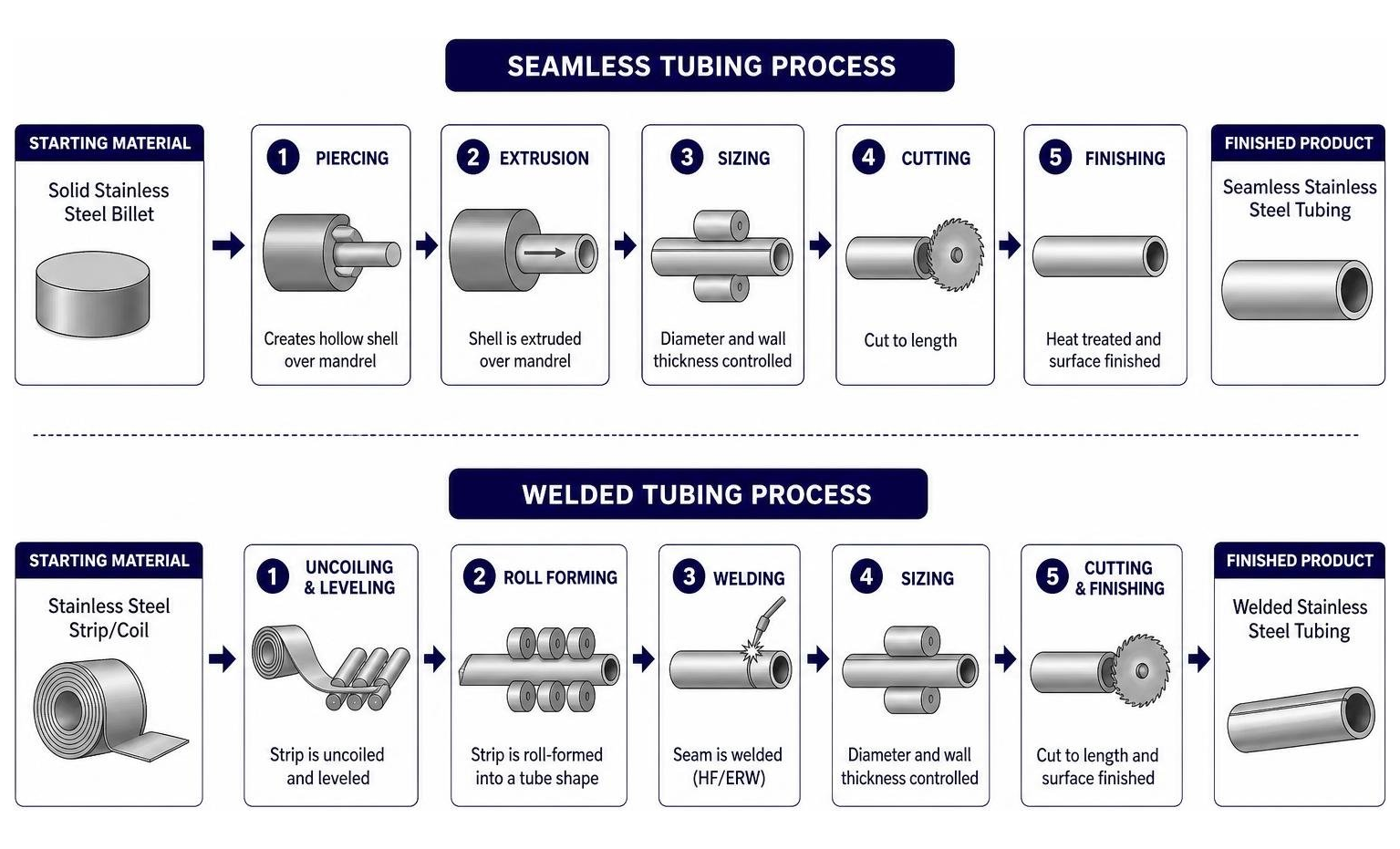
To help you choose the right option, here is a quick comparison:
| Feature | Seamless Tubing | Welded Tubing |
|---|---|---|
| Manufacturing Method | Extruded from solid billet | Roll-formed and welded strip |
| Pressure Rating | Extremely high; no weak points | Moderate; limited by weld joint strength |
| Cost | Higher due to complex manufacturing | Lower, highly cost-effective |
| Dimensional Tolerance | Moderate wall thickness variation | Highly consistent wall thickness |
| Best Suited For | High-pressure, critical process lines | Structural, ornamental, low-pressure systems |
To ensure safety and performance, reputable suppliers must comply with rigorous industry standards. These include ASTM (American Society for Testing and Materials) and ASME (American Society of Mechanical Engineers) standards, which define material compositions, testing procedures, and pressure ratings, as well as ISO quality management certifications.
Sourcing Challenges and Cost Structures
Sourcing stainless steel tubing comes with its share of challenges. One of the most common hurdles is navigating complex pricing structures. The cost of stainless steel is heavily influenced by raw material surcharges for key elements like nickel, chromium, and molybdenum. Because these metal markets fluctuate constantly, suppliers must adjust their surcharges monthly, making long-term budgeting a challenge.
Beyond pricing, buyers must actively guard against common sourcing pitfalls:
- Quality Defects: Substandard raw materials can lead to micro-cracks, wall thickness variations, or poor corrosion resistance.
- Unverified Certifications: Some low-cost suppliers may provide falsified or incomplete Mill Test Reports (MTRs).
- Communication Gaps: A lack of clear technical alignment between the buyer and the supplier can result in receiving the wrong alloy grade or dimensional tolerances.
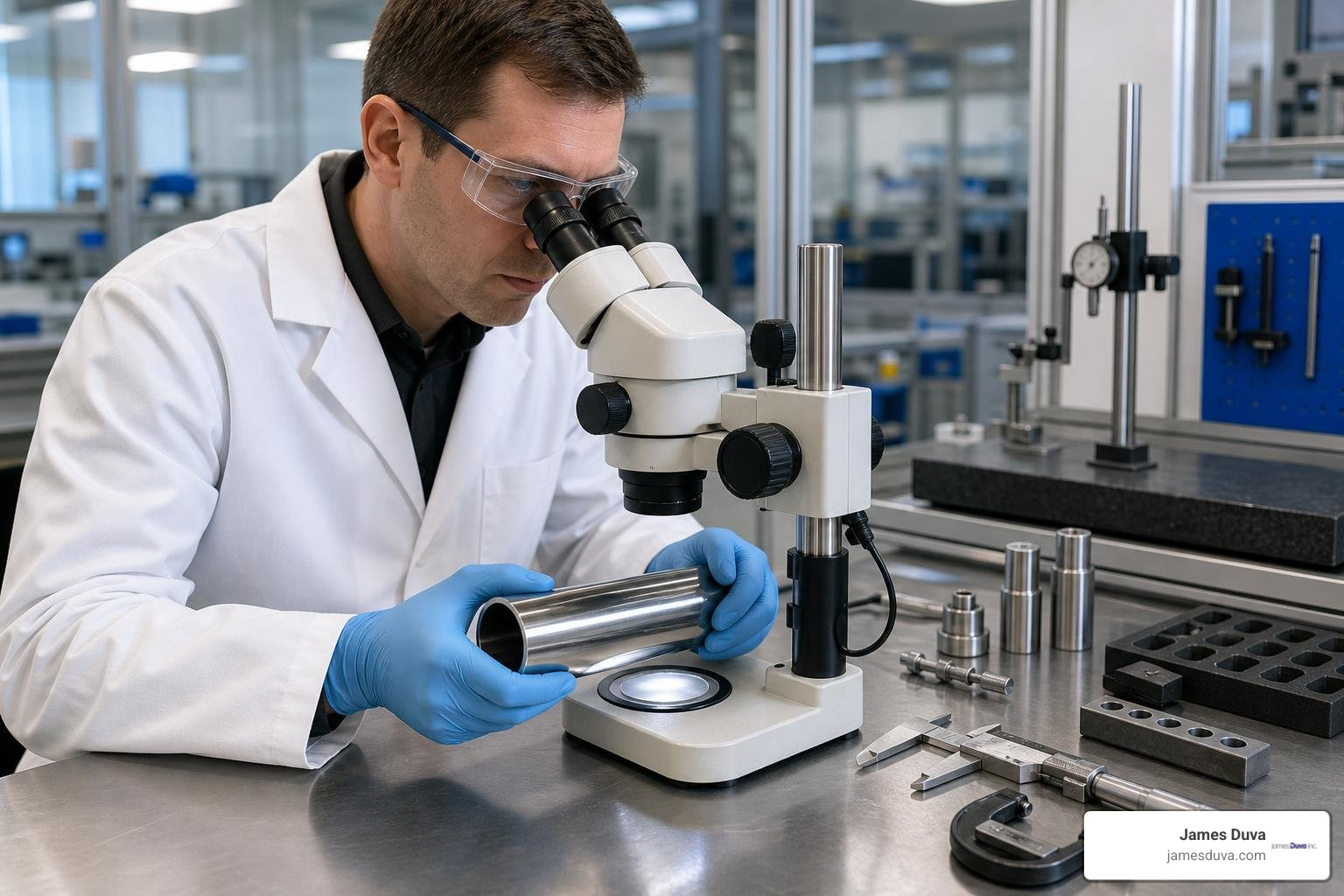
To avoid these pitfalls, always partner with a supplier that provides fully traceable MTRs for every shipment and utilizes advanced in-house quality testing.
Frequently Asked Questions about Sourcing Stainless Steel Tubing
What are the most common industry standards for stainless steel tubing?
The most common standards include:
- ASTM A213: Covers seamless ferritic and austenitic alloy-steel boiler, superheater, and heat-exchanger tubes.
- ASTM A269: Covers seamless and welded austenitic stainless steel tubing for general service.
- ASME SA213: The boiler and pressure vessel code equivalent to ASTM A213, required for regulated pressure applications.
How does supplier location affect delivery times and shipping costs?
A supplier’s proximity to major shipping corridors and your project site directly impacts freight logistics and transit times. Sourcing from a regional distributor with a centralized East Coast hub, such as our facility in Branchburg, NJ, reduces long-distance shipping fees, minimizes transit risks, and allows for rapid, reliable delivery to local job sites.
Can I source complementary components like Ball Valves from the same supplier?
Yes! Sourcing complementary components like Ball Valves from the same supplier ensures material compatibility, simplifies procurement, and reduces overall shipping costs. Managing a single vendor for your tubing, valves, and fittings streamlines communication and guarantees that all system components meet the same rigorous quality standards.
Conclusion
Choosing the right stainless steel tubing supplier is a strategic decision that directly impacts the safety, efficiency, and profitability of your operations. By focusing on certified quality, value-added capabilities, and reliable logistics, you can secure a supply chain that supports your business goals.
At James Duva Inc., we have spent decades building a reputation as a trusted, one-stop shop for high-grade industrial piping components. Based in Branchburg, NJ, and serving diverse industries since 1978, we combine technical expertise with deep inventory levels to deliver the right solutions when you need them most.
Ready to streamline your next project? Explore our range of high-quality stainless steel tubing solutions and experience the difference of working with an industry leader.
About James Duva Inc.
Since 1978, James Duva Inc. has been your trusted source for stainless steel and high-nickel alloy industrial products. Whether you’re in the water treatment, process or power industry, we pride ourselves on always having what you need. Say goodbye to your sourcing problems with just one call to James Duva.