
Nickel alloys
No More Heavy Metal Drama Sourcing Your Nickel 200 Safely
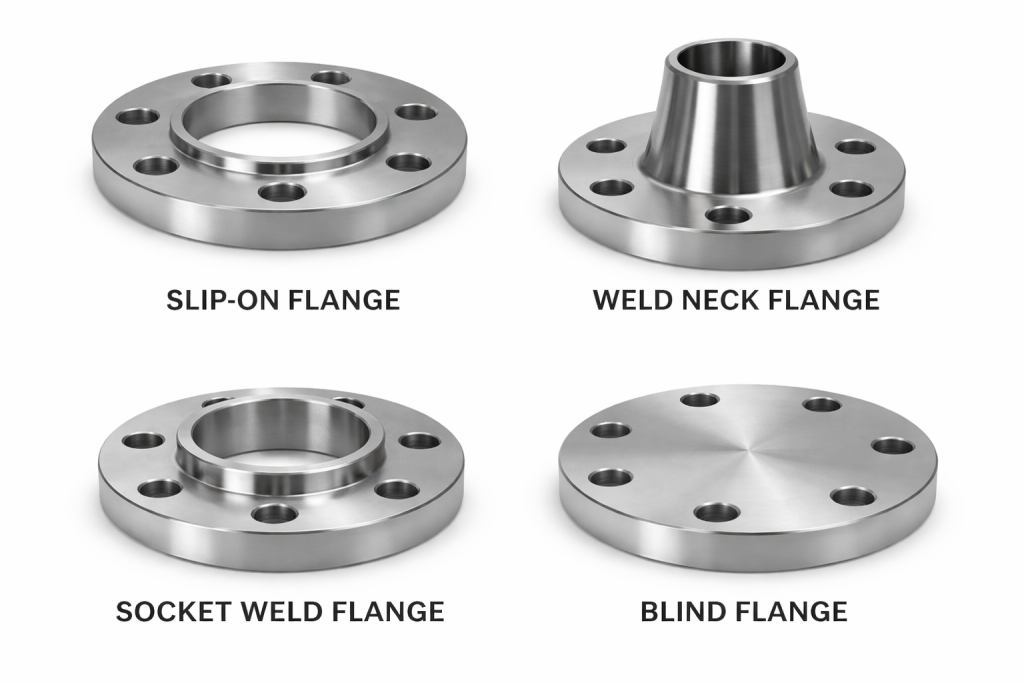
Source Nickel 200 safely from a trusted nickel 200 supplier for reliable quality, certifications, and on-time delivery.
Read MoreThe Ultimate Guide to Nickel Alloy Tubing and Its Extreme Benefits
Discover the ultimate guide to nickel alloy tubing, covering grades, specs, and extreme benefits for industrial applications.
Read MoreUnlocking the Power of 254SMO Alloy in Extreme Environments

Discover how 254SMO alloy resists extreme chloride environments. Explore its properties, applications, and industrial standards.
Read MoreA – Z Guide to Nickel Alloy Suppliers
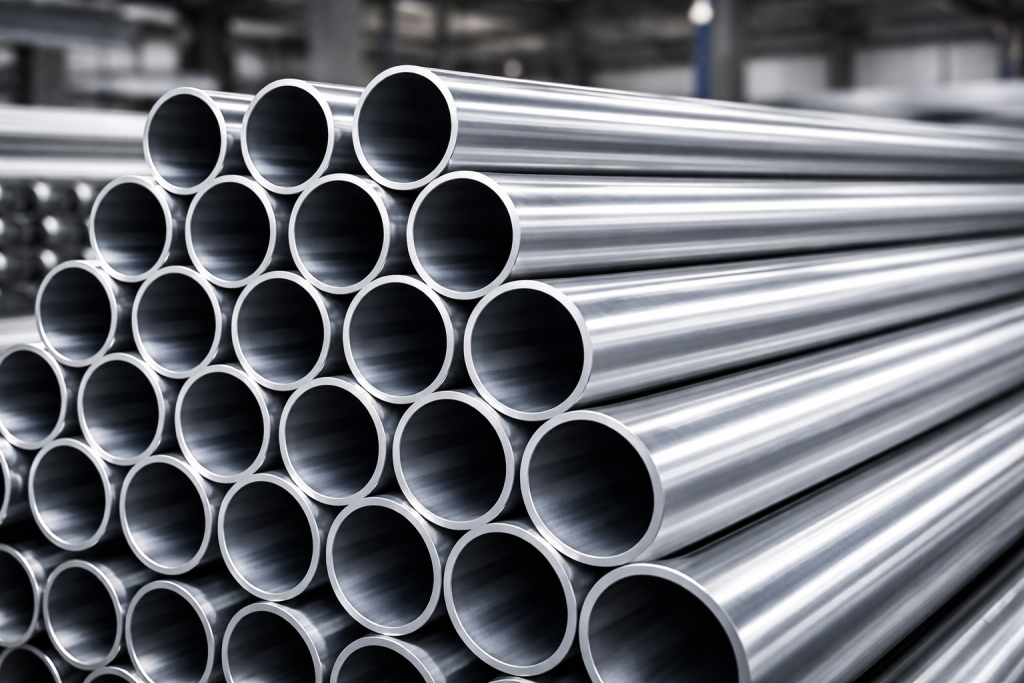
Find the right nickel alloy supplier for high-performance grades, processing, and fast delivery.
Read MoreHastelloy C-276 101: Key Alloy Properties Compared
Discover why Hastelloy C-276 delivers unmatched corrosion resistance, strength, and weldability for demanding chemical, oil & gas, and industrial applications.
Read MoreNickel 200 Pipe: Purity, Performance, and Piping Hot Benefits
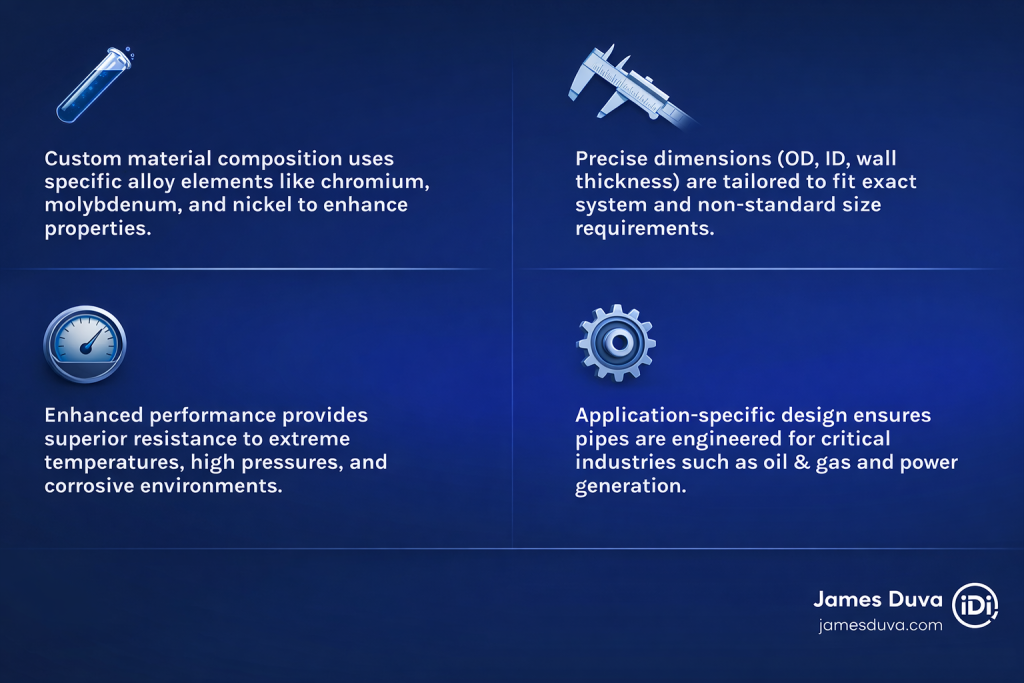
Discover Nickel 200 pipe benefits, specs, and corrosion resistance for your industrial needs.
Read MoreNickel 200 Properties: Step-by-Step Guide to Terms Demystified
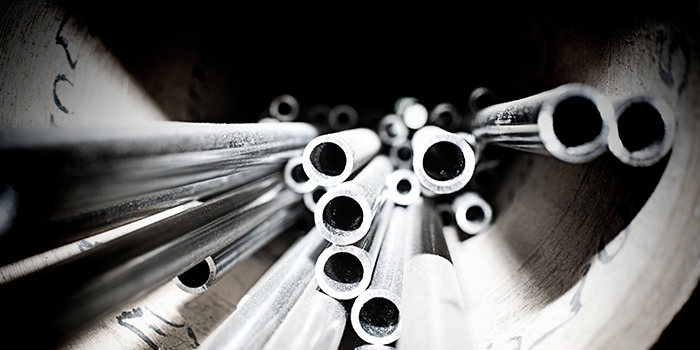
Explore Nickel 200 properties, composition, corrosion resistance, and fabrication in this step-by-step guide to industrial nickel alloy applications.
Read MoreThe Ultimate Guide to Inconel 625 Properties
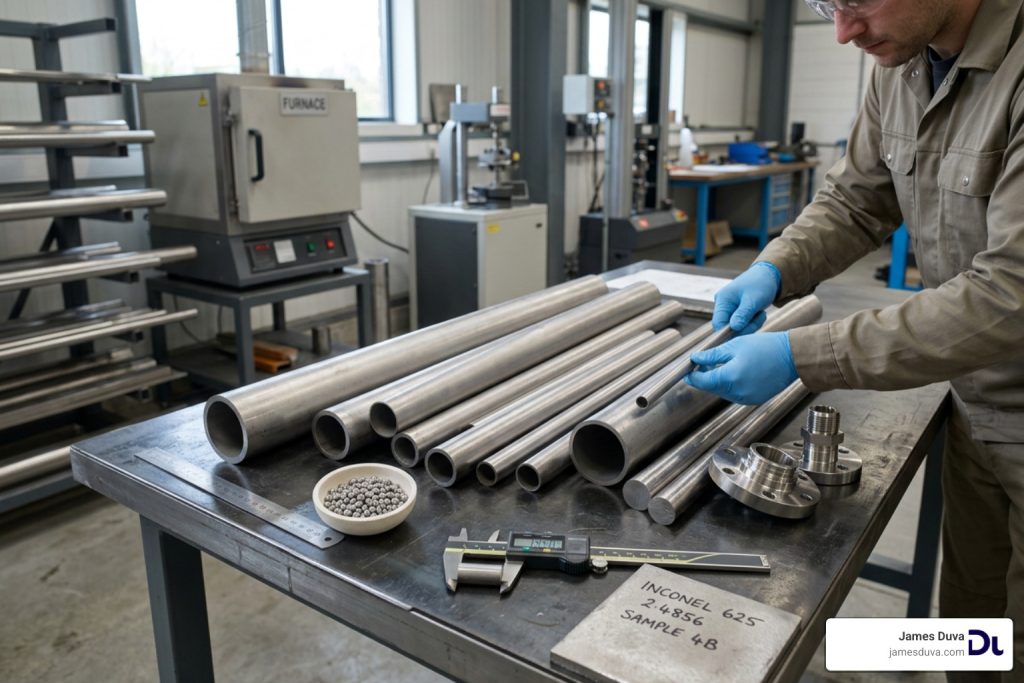
Discover Inconel 625 properties, strength, and corrosion resistance for demanding industrial applications.
Read MoreNickel Alloy Round Rod and Bar: Inconel, Hastelloy, and Beyond

Explore nickel alloy bar grades like Inconel, Hastelloy, and Monel for extreme industrial performance and corrosion resistance.
Read MoreA – Z Guide to Inconel 600 Properties
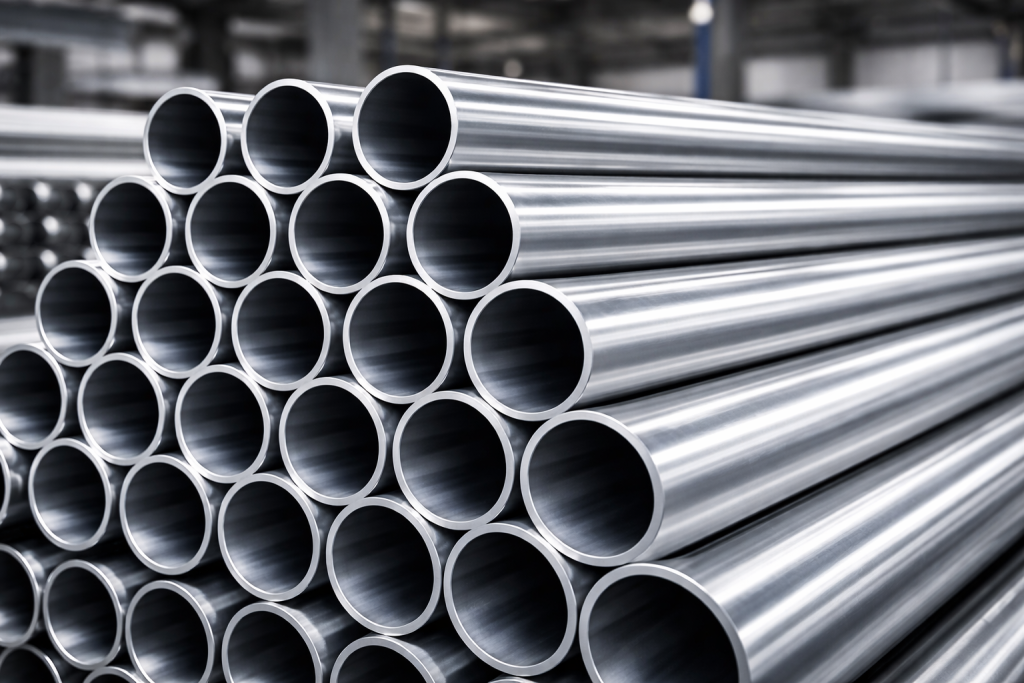
Discover Inconel 600 properties, high-temperature performance, corrosion resistance, and industrial applications for your critical projects.
Read More